Step 1
Find a tested visual direction
Scan curated midjourney prompt examples and choose the image style closest to your goal.
Midjourney-style prompts are often used for expressive looks, cinematic scenes, character sheets, posters, product concepts and detailed visual art direction. This page collects image-first examples you can inspect, copy and adapt.
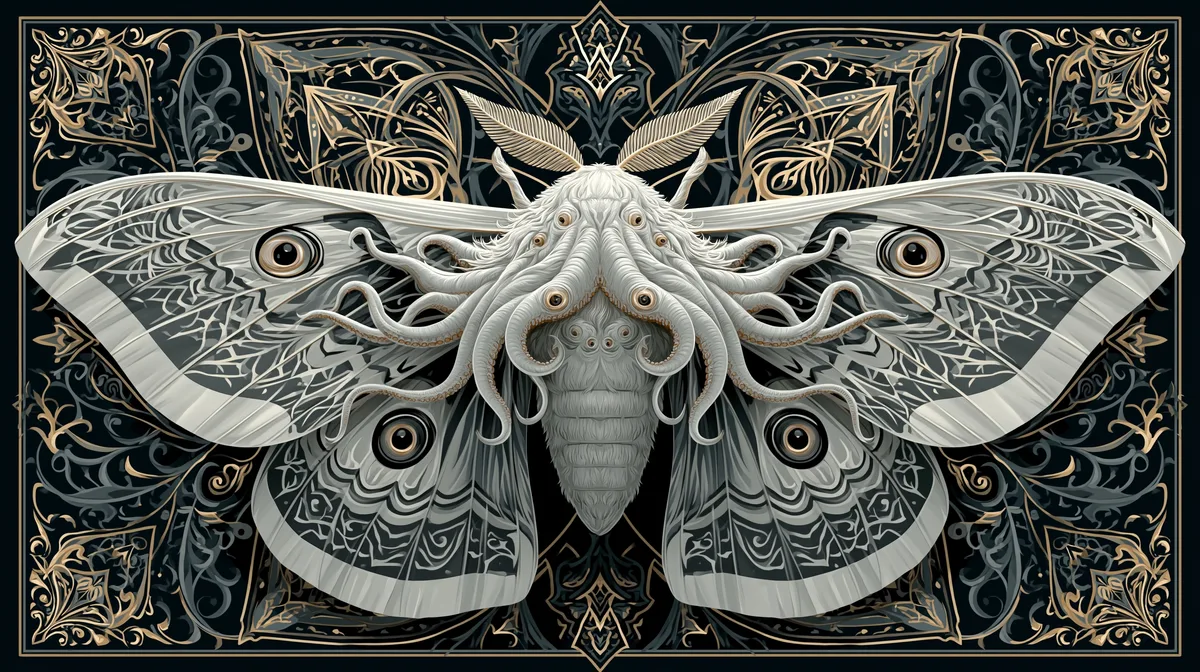
Browse Midjourney prompt examples, then open a prompt page to copy or adapt the prompt structure for your next image.
No prompts match this filter.
Move from a finished image to a reusable prompt in three quick steps.
Step 1
Scan curated midjourney prompt examples and choose the image style closest to your goal.
Step 2
Each gallery item links to a full prompt page with the finished image, prompt text and reference workflow.
Step 3
Copy the midjourney prompt, reuse the reference image, or continue generation inside Vogue AI.
A strong Midjourney prompt usually combines subject, medium, style, camera language, lighting, mood and optional parameters. Use each example as a structure, not just a sentence to copy.
Start the Midjourney prompt with the main subject, then add the artistic style, medium, era, genre or visual reference that defines the final look.
Use framing, lens, angle, lighting and atmosphere to control whether the Midjourney prompt feels cinematic, editorial, graphic, realistic or commercial.
Keep useful aspect-ratio, style and composition language when needed, but remove model-specific parameters if you adapt the Midjourney prompt for another image workflow.
Use each Midjourney prompt example to study style, composition and visual direction before adapting the prompt.
Use these examples for expressive lighting, atmosphere, camera language and stylized scene exploration.
Find reusable prompt patterns for character concepts, editorial posters, graphic design and campaign art.
Adapt the structure for product concepts, fashion looks, illustration styles and polished creative directions.
Open an example to compare the image, prompt structure and reusable visual direction.
Start with the subject and scene, then add the medium, visual style, camera language, lighting, mood and composition. Midjourney-style prompts usually perform better when the style direction is concrete, such as cinematic night portrait, editorial product poster, watercolor travel illustration or graphic novel character board.
Image prompts guide the subject, composition or visual content. Style references push the overall look, color, texture and mood. Character references help with recurring characters or identity cues. The best results come from saying which reference controls which part of the final image.
Keep parameters that are tied to the result you want, such as aspect ratio for poster or social formats and style or reference settings for a consistent look. Remove parameters you do not understand when adapting the prompt to another model, and keep the reusable subject, style, lighting and composition language.
Yes. Treat them as reusable art-direction structures. Copy the subject, scene, medium, style, lighting and composition language, then remove or rewrite Midjourney-specific parameters if you use the idea in Vogue AI, GPT Image or another prompt to image workflow.
Add concrete camera and production language: lens, framing, angle, lighting source, color grade, set design, wardrobe, material texture and mood. For realism, avoid stacking too many conflicting art styles. For editorial results, define layout, negative space, hierarchy and campaign context.
The prompt may be relying on style words without enough identity or reference guidance. Use a clearer character or image reference, keep the most important identity details early, reduce conflicting style terms, and separate fixed details from creative changes.
Yes. Midjourney prompts are useful for campaign moodboards, cinematic posters, character concepts, cover art, visual styles and product concept exploration. For final commercial use, check brand accuracy, usage rights, typography quality and whether the result needs further production editing.
Midjourney prompts usually lean into style, mood, cinematic language, references and parameters. GPT Image prompts are more direct for product, UI and ad-oriented instructions. Nano Banana prompts are more useful when you want fast reference-led image variation and edits.