An AI photo trend is useful only when you can turn it into a repeatable prompt. The practical move is to name the visual behavior behind the trend, choose when it fits, attach a reference image when identity matters, and judge the first result by a small failure checklist.
TL;DR: use trends as prompt patterns
- Pick trends that solve a real photo job: profile refresh, outfit post, campaign portrait, product lifestyle shot, or social carousel.
- Write the prompt around subject, camera behavior, lighting, reference handoff, aspect ratio, and text policy.
- Use GPT Image 2 for controlled edits and reference-led portraits, Nano Banana for fast social variations, and Midjourney for mood-first concepts.
- Keep prompt blocks in English, then localize captions, review notes, and publishing copy around them.
- Do not reuse the hero image as the first example; each article image should explain a different trend pattern.
Trend map: what to make first
| AI photo trend | Works best for | Prompt control to protect | First failure to fix |
|---|---|---|---|
| Mirror selfie collage | Fashion posts, creator updates, outfit checks, casual profile content. | Reflection logic, phone flash, frame count, believable room details. | Wrong hands, repeated faces, unreadable reflections, or cluttered collage spacing. |
| Magazine portrait | Profile photos, founder photos, portfolio portraits, personal-brand refreshes. | Face identity, skin texture, wardrobe tone, crop, and background separation. | Over-smoothed skin, changed age, generic styling, or weak eye sharpness. |
| Candid hobby scene | Lifestyle storytelling, fandom edits, campaign concepts, social experiments. | Activity, location, light, expression, and documentary realism. | Scene feels staged, subject identity drifts, or props look invented. |
| Reference-led profile refresh | Avatar updates, team pages, LinkedIn-style variants, press portraits. | Identity from the uploaded image, expression, hairstyle, and crop. | Face mismatch, extra accessories, waxy retouching, or background noise. |
Prompt formula for any AI photo trend
- Subject: who or what is in the photo, including age range, wardrobe, product, or activity.
- Trend behavior: mirror collage, editorial flash, film still, candid hobby scene, profile crop, or campaign portrait.
- Camera and light: phone flash, daylight, softbox, 35mm documentary look, studio portrait, or cinematic backlight.
- Reference handoff: what the uploaded image must preserve and what the model may reinterpret.
- Output rule: aspect ratio, no readable text, no watermark, no extra hands, and the channel where the image will be used.
Copyable AI photo trend prompts
Copy one prompt, replace the bracketed variables, and run a first draft before adding more style words. These prompts stay in English so they can move directly into Vogue AI models and prompt-library workflows.
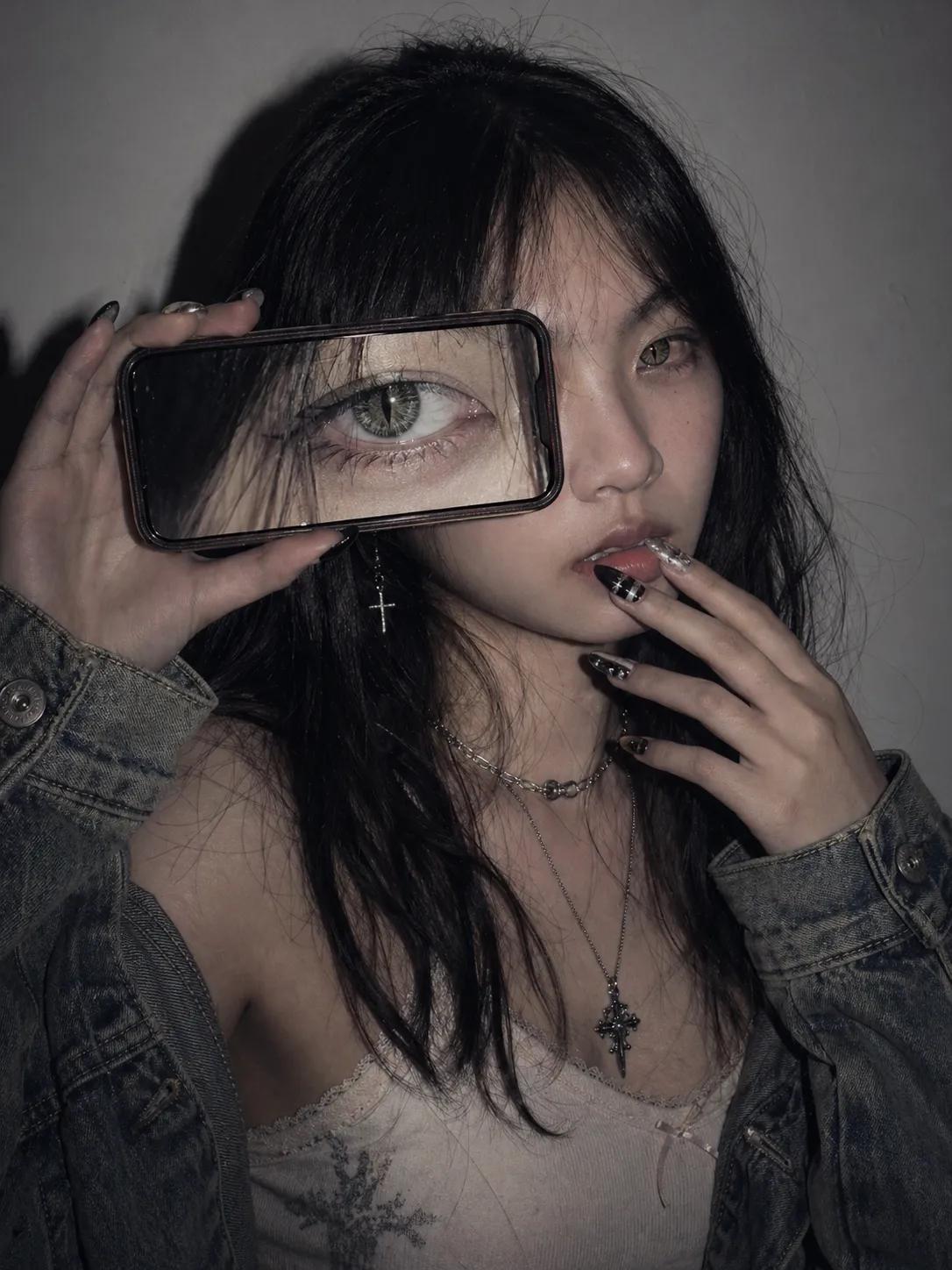
- Mirror selfie collage: Create a modern social-media mirror selfie collage of [subject], four candid frames in one layout, real phone-camera flash, layered streetwear details, natural skin texture, believable room reflections, 4:5 crop, no readable text, no watermark.
- Editorial portrait trend: Premium lifestyle magazine portrait of [subject], close crop, confident expression, soft daylight, tactile wardrobe detail, realistic skin texture, clean background separation, understated fashion styling, 3:4 aspect ratio, no text.
- Cinematic hobby scene: Candid lifestyle photo of [subject] doing [activity] in [location], late-afternoon light, documentary realism, slight motion energy, expressive composition, natural imperfections, 16:9 crop, no text.
- Profile refresh: Clean AI profile photo of [subject], recognizable face identity from reference, relaxed expression, simple wardrobe, soft background blur, sharp eyes, natural retouching, square crop, no extra hands, no text.
Worked example: from trend idea to usable profile photo
Raw trend idea
You want a current profile photo that feels editorial but still looks like you. The trend reference is a premium magazine portrait, not a fantasy avatar or a heavily filtered beauty shot.
Prompt version 1
- Use my uploaded portrait as the face identity reference. Create a premium lifestyle magazine portrait of the same person, relaxed confident expression, natural skin texture, simple black jacket, soft daylight studio background, shallow depth of field, sharp eyes, realistic retouching, 3:4 aspect ratio, no text, no watermark.
First-result diagnosis
If the face is wrong, strengthen the reference handoff before changing style. If the identity is right but the photo feels generic, adjust wardrobe, lighting, lens distance, and background color. If the image looks too polished, ask for natural skin texture and documentary imperfections instead of adding more trend labels.
How to choose the right Vogue AI model
| Model route | Use it when | Prompt emphasis |
|---|---|---|
| GPT Image 2 | You need stronger instruction following, identity-aware edits, or a clean production-style portrait. | Reference handoff, crop, exact no-text rules, and specific failure checks. |
| Nano Banana | You want quick social variations, casual trend experiments, or rapid image-to-image exploration. | One clear trend behavior, simple variables, and fast comparison across several drafts. |
| Midjourney | You want fashion mood, stylized editorial direction, or concept exploration before a controlled final pass. | Mood, composition, art direction, lighting, and visual references. |
Trend example: candid lifestyle scene
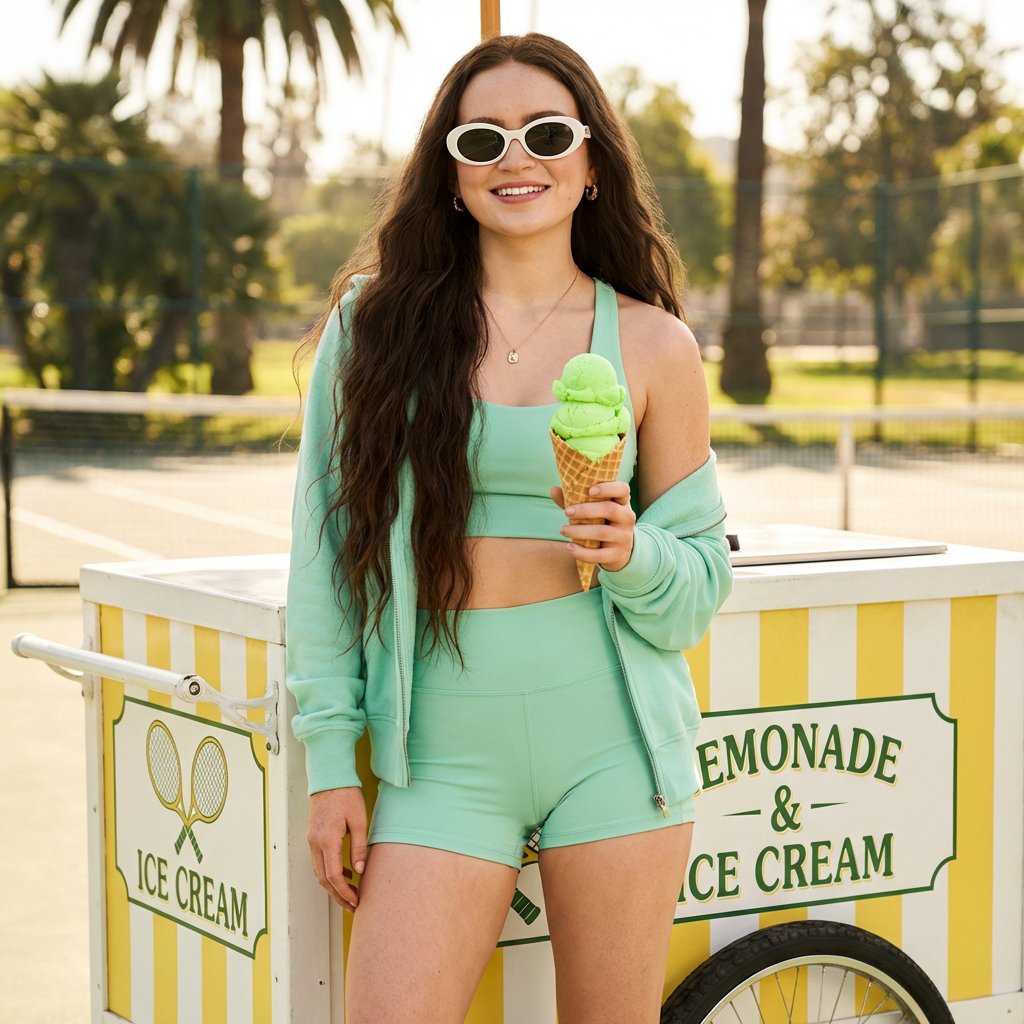
For a lifestyle scene, the main risk is a photo that looks posed or generic. Keep the activity concrete, name the location, and add one physical detail such as afternoon light, wind, camera distance, or a hand-held object. Then inspect whether the scene tells the same story at thumbnail size.
Mistake and fix checklist
| Problem | Fix first | Avoid |
|---|---|---|
| The photo does not look like the reference person | Say the uploaded image controls face identity, hairstyle, and age range. | Adding more fashion adjectives. |
| The trend looks dated or overdone | Remove meme labels and describe the camera behavior directly. | Copying a viral caption into the prompt. |
| The image has broken text | Ask for empty headline space and add typography later. | Trying to generate final readable text in the photo. |
| The scene feels generic | Add channel, location, wardrobe, activity, and one physical lighting detail. | Switching models before the brief is specific. |
| The crop is unusable for posting | Set aspect ratio and negative space in the first prompt. | Cropping after generation when the subject is already too close. |
Vogue AI workflow for trend testing
- Start from a Vogue AI prompt-library image close to the trend you want to recreate.
- Copy the structure, not the exact subject, and replace only the bracketed variables for the first run.
- Attach a reference image only when identity or object shape must survive the trend treatment.
- Generate two to four drafts, then compare by failure mode: identity, crop, lighting, background, and text policy.
- Save the version that fixed the job with a plain label such as mirror-selfie-collage-4x5-reference-face.
FAQ
What is an AI photo trend?
It is a repeatable visual pattern that people use in AI-generated or AI-edited photos, such as mirror selfie collages, editorial portraits, candid lifestyle scenes, or reference-led profile refreshes.
Which AI photo trend should I try first?
Start with the trend that matches your publishing job. Use mirror collages for social posts, magazine portraits for profile updates, candid scenes for storytelling, and reference-led edits when identity matters.
Do I need a reference image?
Use one when the face, product, outfit, room, logo placement, or UI layout must stay recognizable. For pure mood exploration, a text prompt is usually enough.
Why do trend prompts often look generic?
Most generic results come from naming a trend without naming the subject, camera behavior, channel, lighting, and review rule. Add those controls before adding more adjectives.
Should I ask the image model to add text?
Usually no. Reserve clean negative space for the headline and add final typography in a design tool, especially for social posters, ads, and profile graphics.
How many variations should I generate?
Generate a small batch, compare the biggest failure, then revise one control. Four thoughtful drafts usually teach more than twenty random variations.