Food photography prompts work when they describe appetite, structure, and commercial use at the same time. The prompt needs to control the hero dish, texture, light direction, plating, background, crop, and what should stay editable after generation.
TL;DR: write food prompts like a shoot brief
- Name the exact dish, serving vessel, hero ingredient, camera angle, light direction, and crop before adding mood words.
- Use texture language that belongs to the food: flaky, glossy, charred, creamy, frosty, crisp, syrupy, steamed, or powdered.
- Separate composition from appetite cues. Fix plate position and negative space first, then tune shine, crumbs, garnish, and steam.
- Use reference images for packaged food, signature plating, brand props, or a dish shape that must remain recognizable.
- Ask for no generated text in the image; reserve headline, menu copy, and price badges for design after generation.
Prompt formula for food photography
| Prompt part | What to specify | Why it matters |
|---|---|---|
| Hero food | Dish, ingredient, serving size, plate, tray, glass, bowl, or package. | The model needs one obvious subject before it can make the frame appetizing. |
| Texture cue | Crunch, glaze, sauce, crumb, char, foam, condensation, steam, or powder. | Food images succeed or fail on material believability. |
| Lighting | Soft window light, studio softbox, hard flash, backlight, or warm cafe spotlight. | Lighting controls gloss, freshness, and whether the shot feels commercial. |
| Composition | Top-down, three-quarter angle, macro close-up, centered hero, negative space, or table scene. | Composition determines whether the result fits Instagram, a menu, or ecommerce. |
| Background | Seamless studio, cafe table, marble counter, rustic wood, dark slate, or clean brand color. | Background should support appetite without stealing focus. |
| Output rule | Aspect ratio, no text, no watermark, no extra hands, accurate package silhouette, safe area. | Output rules prevent common production blockers. |
Scenario matrix
| Use case | Prompt pattern | Reference image? | First failure to fix |
|---|---|---|---|
| Restaurant dish | Three-quarter plated hero with steam, sauce, garnish, and shallow depth of field. | Optional unless plating is signature. | Flat texture, messy garnish, or plate cropped too tightly. |
| Ingredient macro | Close crop with surface detail, controlled highlights, and a simple background. | Usually no. | Over-sharpened detail, fake droplets, or confusing scale. |
| Dessert poster | Centered hero dessert, ingredient motion, glossy detail, and headline-safe negative space. | Useful for brand palette or a known dessert shape. | Too much motion clutter or no clean text-safe area. |
| Packaged food | Product package plus serving suggestion in studio ecommerce lighting. | Yes when package shape, color, or logo placement matters. | Label distortion, wrong silhouette, or serving suggestion overpowering the package. |
| Beverage lifestyle | Glass, cup, foam, ice, condensation, garnish, and cafe context. | Optional for branded cup or can. | Condensation noise, impossible liquid, or background too busy. |
Copyable food photography prompts
Copy one prompt, replace the bracketed variables, and generate a first draft before changing style. These prompt blocks stay in English so they remain copyable across every Vogue AI locale.
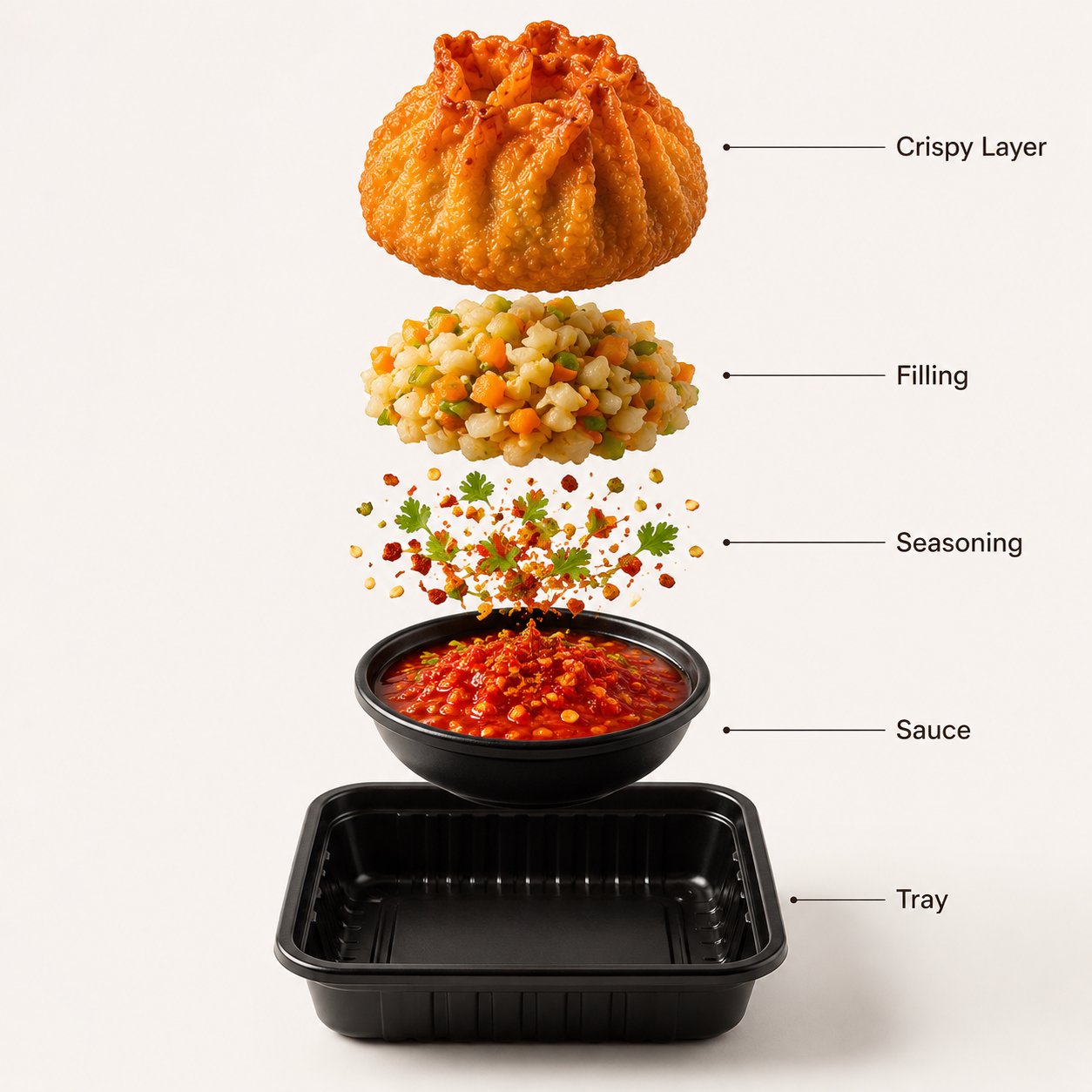
- Restaurant hero dish: Ultra-realistic commercial food photograph of [dish], plated on [plate or tray], three-quarter camera angle, appetizing steam or gloss, visible texture on [key ingredient], soft window light from the left, shallow depth of field, clean restaurant tabletop, 4:5 aspect ratio, no text, no watermark.
- Ingredient macro: Extreme close-up food photography of [ingredient or bite], crisp surface texture, tiny droplets or oil shine where natural, macro lens detail, dark neutral background, controlled highlights, appetizing color contrast, 1:1 crop, no text, no hands.
- Dessert campaign poster: Premium food advertising visual for [dessert], hero dessert centered, controlled ingredient motion around it, glossy fruit, cream, crumbs, or powder detail, warm cafe lighting, clean negative space for later headline, 9:16 vertical format, no generated words.
- Packaged food product: Studio ecommerce photograph of [packaged food product], package front visible, serving suggestion beside it, accurate silhouette from reference image, softbox lighting, subtle shadow, clean background, 4:5 crop, no label rewriting, no watermark.
- Beverage lifestyle shot: Editorial food photography of [drink], condensation on glass or cup texture, fresh garnish, realistic ice or foam, warm countertop scene, natural backlight, relaxed cafe mood, 3:4 aspect ratio, no text.
Worked example: from weak food prompt to usable brief
Weak prompt
“Make an appetizing photo of a strawberry croissant, professional, beautiful, high quality.” This gives the model a subject and a mood, but it does not control the plate, crop, texture, light, background, or final channel.
Prompt version 1
- Premium commercial food photograph of a glossy strawberry cream croissant stack on a white ceramic plate, three-quarter camera angle, crisp laminated pastry layers, visible cream texture, fresh berry shine, tiny powdered sugar detail, warm cafe tabletop, soft window light from the left, shallow depth of field, clean negative space above the plate, 4:5 aspect ratio, no text, no watermark.
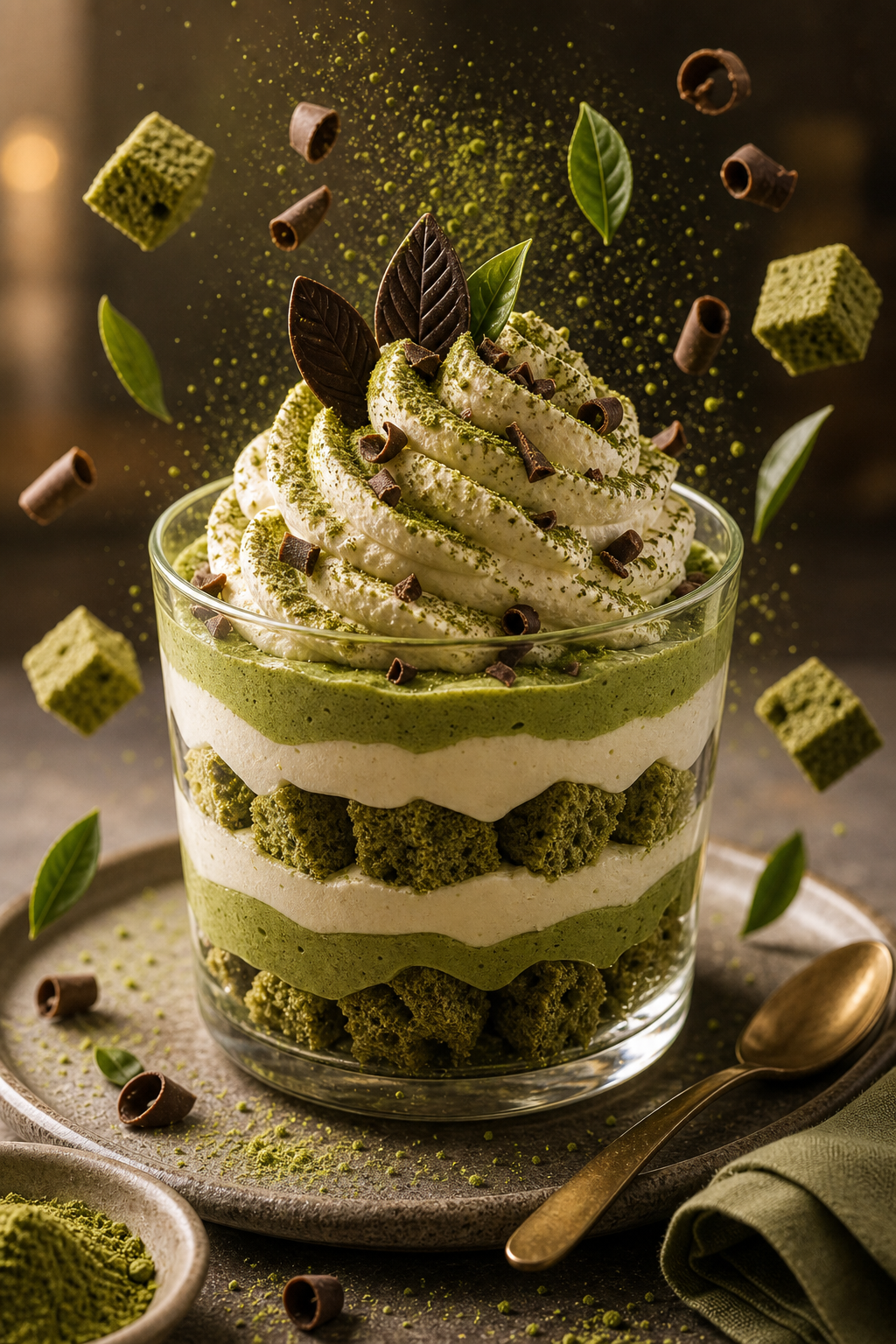
First-result diagnosis
If the croissant shape is right but the image feels flat, revise texture and lighting first. If the plate is cropped badly, revise camera angle and aspect ratio first. If the dish becomes a different pastry, add a reference image and say it controls pastry shape, filling placement, and strawberry arrangement.
Instagram and menu prompt patterns
Food photography prompts for Instagram need a clear focal point and scroll-stopping texture. Menu and delivery images need accuracy, clean backgrounds, and less styling noise. Use the same dish prompt, but change the channel rule.
| Channel | Change in the prompt | Avoid |
|---|---|---|
| Instagram post | Add vertical crop, stronger color contrast, and negative space for later caption design. | Tiny details that disappear on mobile. |
| Menu thumbnail | Use centered plate, clean background, accurate portion, and natural color. | Heavy motion effects or dramatic shadows. |
| Delivery app | Use honest portion view, recognizable container, and bright even lighting. | Overly editorial props that hide the food. |
| Ad poster | Add ingredient motion, hero scale, and headline-safe space. | Generated text or brand claims inside the image. |
Common mistakes and fixes
| Failure | Fix first | Do not start with |
|---|---|---|
| Food looks plastic | Name the real texture, surface shine, moisture, crumbs, or char marks. | More “delicious” or “beautiful” adjectives. |
| Dish identity changes | Attach a reference image and state what controls shape and plating. | Switching models before fixing the brief. |
| Frame feels messy | Simplify background, reduce props, and lock the camera angle. | Adding more ingredients. |
| Text or logo is broken | Remove generated text and reserve blank space for later typography. | Asking the model to spell menu copy perfectly. |
| Colors look unnatural | Specify natural food color, realistic white balance, and light source. | Increasing saturation globally. |
| Package is distorted | Use a reference image and protect silhouette, label area, and front-facing crop. | Relying on a text-only package description. |
Use Vogue AI for food prompt workflows
Inside Vogue AI, start from a prompt-library example that matches the job: GPT Image 2 for controlled commercial food shots, Nano Banana for fast social variations, and Midjourney for mood-led editorial exploration. Keep the successful prompt as a reusable recipe for the next dish, drink, or packaged product.
Food prompt checklist
- Does the first sentence name one hero dish or product clearly?
- Does the prompt include plate, glass, package, or serving vessel?
- Does it name the key texture that makes the food appetizing?
- Does it specify light direction and background?
- Does it include aspect ratio and channel use?
- Does it remove generated text from the image?
- Does it say when a reference image controls identity or package shape?
FAQ
What is the best structure for food photography prompts?
Use hero food, texture, lighting, composition, background, and output rules. That structure gives the model enough production context to make an appetizing but controlled image.
Can I use these prompts for Instagram?
Yes. Use a vertical crop, stronger focal point, clean negative space, and texture cues that remain readable on a phone screen.
Should food prompts mention a camera or lens?
Mention camera angle and crop first. Lens language helps for macro or shallow-depth-of-field shots, but it cannot replace clear plating and texture instructions.
How do I keep packaged food accurate?
Use a reference image and say it controls package silhouette, color blocks, label position, and front-facing crop. Add final label text outside the generated image when accuracy matters.
Why does AI food sometimes look fake?
The prompt often describes appetite but not material behavior. Add natural texture, moisture, crumbs, char, foam, or gloss, and keep the lighting physically believable.
Do I need a reference image for every dish?
No. Use references when dish identity, plating, brand packaging, or a signature shape must stay stable. For generic ingredient macros, text-only prompts are often enough for a first draft.
Which model should I try first in Vogue AI?
Start with GPT Image 2 for controlled commercial food shots, use Nano Banana for quick social variants, and use Midjourney when the goal is a mood-led editorial concept.