Lifestyle image prompts should make people and scenes feel observed, not staged. The useful structure is simple: name the person or subject, place them in a believable daily context, control the camera and light, then add a short failure check for hands, skin, identity, and background clutter.
TL;DR: make lifestyle prompts specific, ordinary, and controllable
- Start with a real scenario: commute, cafe table, home studio, campus, workout, shopping trip, or product-in-use moment.
- Use human details sparingly: posture, expression, wardrobe, skin texture, and hand placement matter more than long mood adjectives.
- Add the camera language that fits the channel: 35mm documentary, soft daylight portrait, vertical creator post, or clean commercial realism.
- Use a reference image when identity, face shape, hairstyle, product form, or brand color must stay stable.
- Judge the first result by realism failures first: waxy skin, extra fingers, awkward hands, over-styled background, or a pose that feels acted.
Who this guide is for
Use this guide when you need lifestyle image prompts for Instagram, creator portraits, realistic avatars, brand campaigns, or product-in-life visuals. It is not a guide for fantasy art, perfect studio packshots, or exact typography inside the image.
- Good fit: realistic people, everyday scenes, social posts, profile images, creator content, and product use cases.
- Poor fit: prompts that must produce exact legal copy, final logo placement, or highly specific celebrity likenesses.
- Best first output: a believable draft that you can revise by changing one control, not a final campaign asset with no review.
Scenario matrix
| Use case | Prompt pattern | Reference image | Common failure |
|---|---|---|---|
| Instagram lifestyle post | Subject plus everyday action, location, vertical crop, creator-style light, and clean background. | Optional unless the person, outfit, or product must stay recognizable. | Over-posed subject, fake smile, cluttered room, or no space for later caption design. |
| Professional avatar | Face identity, expression, wardrobe, soft background, natural skin, and 3:4 crop. | Recommended when the avatar is based on a real selfie. | Identity drift, plastic skin, wrong age, sharp background competing with the face. |
| Brand lifestyle campaign | Audience, product use moment, environment, color palette, and commercial realism. | Recommended when product shape, packaging, or color matters. | Product disappears, hands look broken, logo warps, or the scene feels like stock photography. |
| Editorial portrait | Person, mood, real location, lens, light, posture, and background depth. | Useful when preserving a face or wardrobe direction. | Too cinematic, over-retouched, unclear eyes, or a fashion pose that breaks realism. |
Prompt anatomy for natural lifestyle images
| Part | What to write | Why it matters |
|---|---|---|
| Subject | Person, product, audience, age range, wardrobe, or activity. | A lifestyle image needs a clear human or use-case anchor. |
| Scene | A specific ordinary place: cafe counter, hallway mirror, campus path, kitchen table, city street. | Ordinary specificity prevents generic studio output. |
| Camera and light | 35mm, shallow depth, soft daylight, overcast street light, warm indoor practicals. | Camera language controls realism faster than decorative adjectives. |
| Behavior | Walking, reaching, laughing lightly, reading, unpacking, applying, checking a phone. | A small action makes the frame feel lived-in. |
| Output guardrails | Aspect ratio, no text, no watermark, no extra hands, preserve identity, clear product. | Guardrails target the failures lifestyle prompts often create. |
Copyable lifestyle image prompts
Copy one block, replace the bracketed variables, and keep the rest stable for the first generation. These public prompt blocks stay in English so they can be pasted directly into Vogue AI.
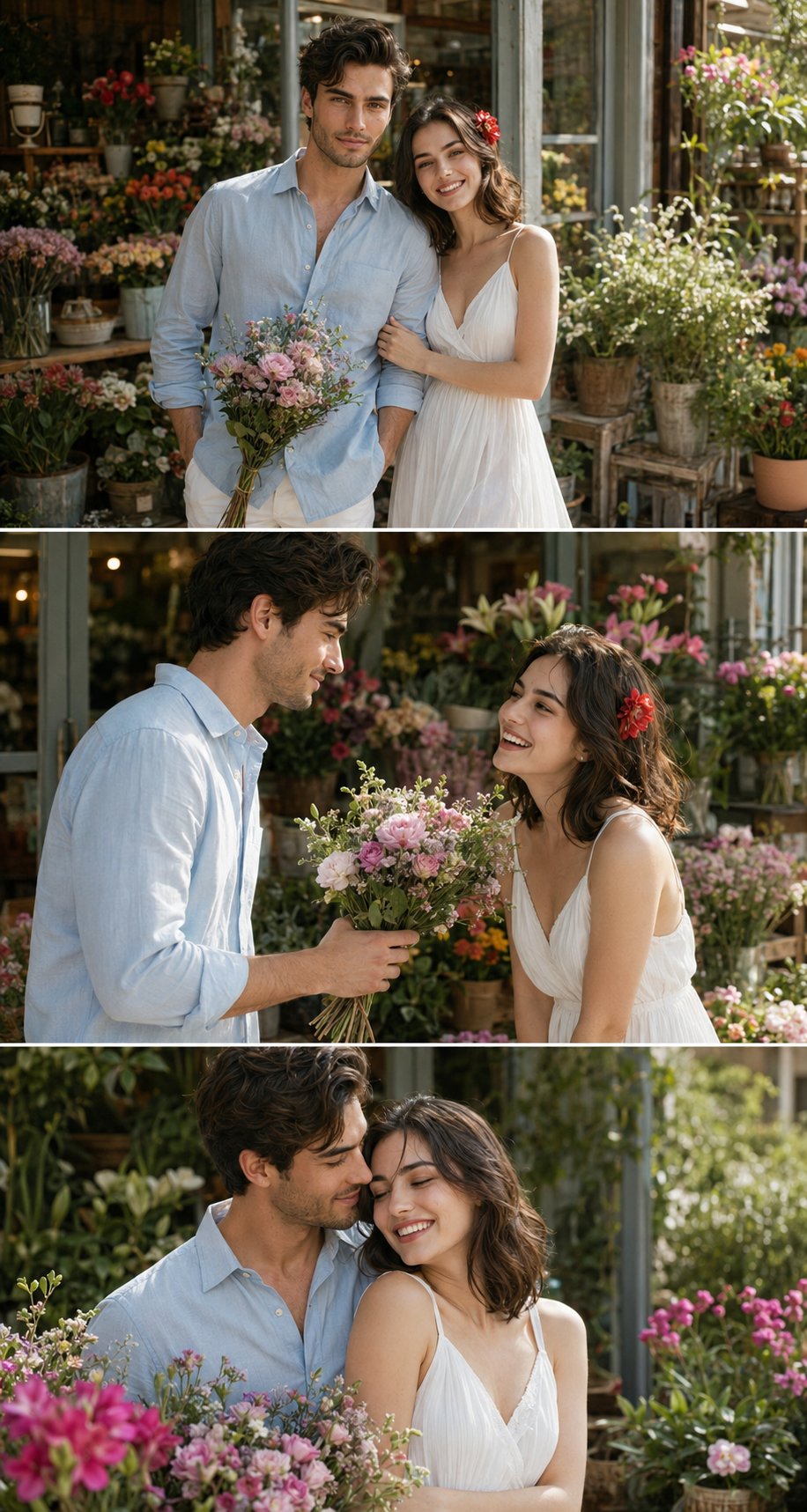
- Natural lifestyle portrait: Editorial lifestyle photo of [person description] in [real location], relaxed candid expression, natural skin texture, believable posture, soft daylight, lived-in background details, 35mm documentary framing, 4:5 crop, no extra fingers, no text, no watermark.
- Instagram lifestyle scene: Social-ready lifestyle image of [subject] doing [everyday action] in [setting], warm realistic light, subtle motion, authentic wardrobe, clean negative space, contemporary creator aesthetic, 9:16 vertical crop, no text overlays.
- Reference-led avatar: Use my uploaded image as the identity reference. Create a polished lifestyle avatar of the same person in [scene], preserve face identity, age, hair shape, and expression while changing wardrobe, lighting, and background, natural skin texture, 3:4 crop, no extra hands.
- Product-in-life moment: Realistic lifestyle photograph of [product] being used by [person or audience] in [context], product clearly visible but not staged, natural hand placement, honest shadows, documentary commercial style, 4:5 crop, no logo distortion, no text.
Two prompt-library cases to copy
The article uses mixed first-party examples because the keyword is broad: Nano Banana fits quick social lifestyle variations, GPT Image 2 fits reference-led avatar control, and Midjourney fits editorial lifestyle mood exploration.
Case 1: realistic outdoor lifestyle portrait
Use this pattern when the scene needs to look casual and social-ready without becoming a plastic stock image. The hero image for this article uses this Nano Banana lifestyle portrait because it summarizes the search intent without duplicating the first concrete avatar case in the body.
- Prompt: Editorial lifestyle portrait of a creative director walking through a quiet city street after rain, relaxed confident expression, natural skin texture, soft overcast daylight, black wool coat, blurred storefronts in the background, 35mm documentary photography, shallow depth of field, 4:5 crop, no extra fingers, no text.
Case 2: reference-led avatar that keeps identity
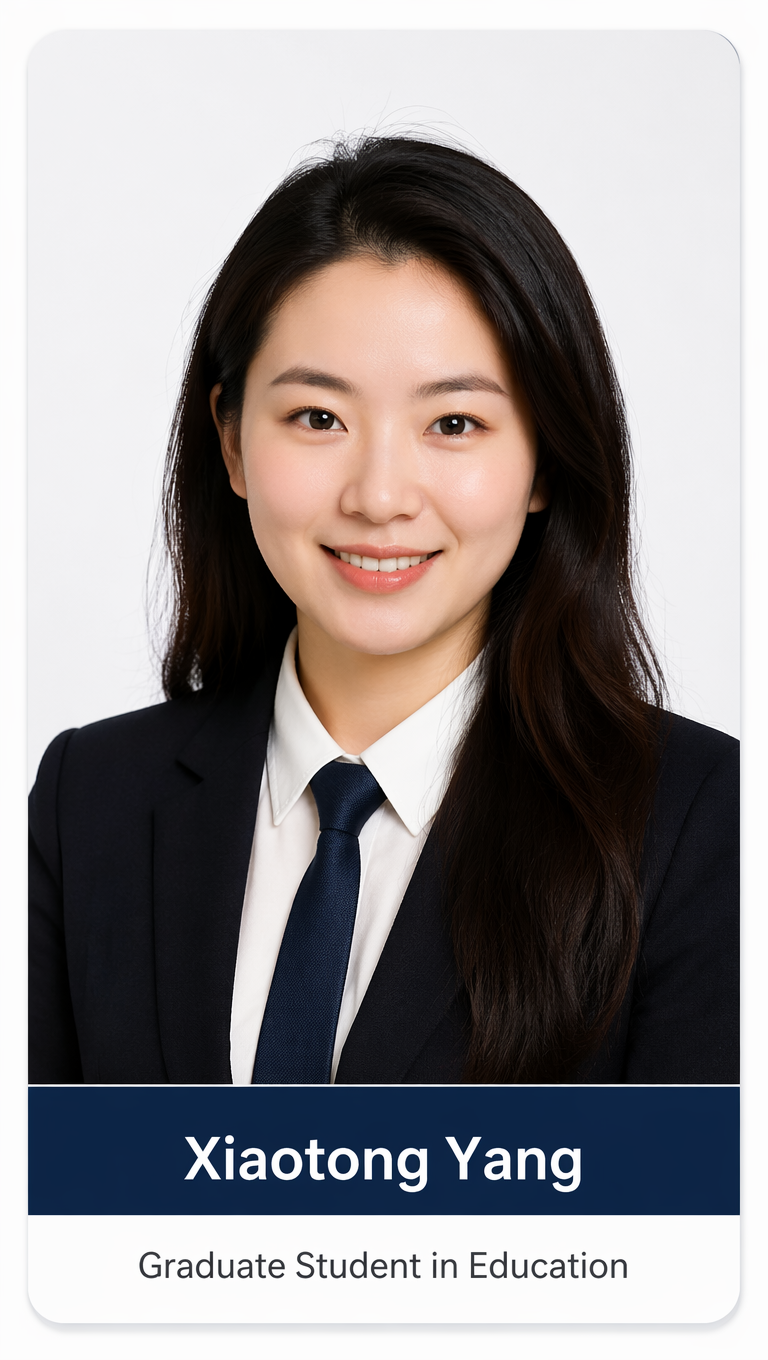
Use this structure when the person must still look like the uploaded selfie. The prompt should say exactly what the reference controls: face identity, age, hair shape, and expression. Wardrobe, background, light, and crop can change.
- Prompt: Use my uploaded image as the face reference. Create a professional lifestyle avatar for an adult graduate student, natural expression, clean casual wardrobe, soft campus daylight, realistic skin texture, subtle background blur, preserve identity and age, 3:4 crop, no text, no watermark.
Worked example: from vague lifestyle idea to reusable prompt
Raw request
You need an Instagram-ready image for a founder using a new notebook app in a neighborhood cafe. The image should feel candid, not like a SaaS ad, but the laptop screen area and relaxed posture need to stay clear.
Prompt version 1
- Natural lifestyle image of a startup founder working in a small neighborhood cafe, relaxed posture, one hand near a laptop trackpad, notebook app visible as a clean but not overly detailed screen, warm morning window light, ceramic coffee cup, lived-in table details, 35mm documentary photography, shallow background blur, 4:5 crop, no text overlay, no extra fingers, no logo distortion.
First-result diagnosis
If the image looks attractive but the hands are strange, fix hand placement before changing style. If the cafe looks too staged, add one or two ordinary details such as a receipt, jacket on chair, or imperfect table surface. If the founder identity matters, add a reference image and tell the model what must not change.
Mistake and fix table
| Failure | Fix first | Avoid |
|---|---|---|
| Waxy or over-retouched skin | Ask for natural skin texture, soft daylight, and documentary realism. | Adding beauty, perfect, flawless, or ultra-glossy language. |
| Extra fingers or awkward hands | Describe one simple hand action and keep hands partly relaxed. | Complex gestures, crossed arms, or multiple people holding objects. |
| Identity drift | Attach a reference image and state what it controls. | Trying to preserve identity with adjectives alone. |
| Generic stock-photo look | Add a real location, ordinary props, audience, and imperfect background details. | More inspirational mood words. |
| Product disappears in the lifestyle scene | Name product visibility, placement, and what should remain readable or recognizable. | Letting the model decide the product role. |
Model fit inside Vogue AI
Inside Vogue AI, keep the prompt skeleton stable and choose the model by the failure risk. The same lifestyle brief can be tested across model tags, but change one variable at a time so you can tell whether the model or the wording improved the result.
- Use GPT Image 2 when a real face, product, or instruction-following detail needs tighter control.
- Use Nano Banana for fast social variations, candid lifestyle mood boards, and lightweight image-to-image exploration.
- Use Midjourney when the goal is editorial mood, fashion framing, or stylized lifestyle exploration.
- Save the prompt that solved the job with a plain name such as lifestyle-cafe-founder-4x5-reference-face.
What to change after the first result
- If the person looks fake, reduce perfection language and add documentary camera cues.
- If the scene feels empty, add two ordinary props and one specific place detail.
- If hands fail, simplify the action before changing model or style.
- If the crop fails Instagram, set 4:5 or 9:16 and name the subject position.
- If brand or product identity matters, add a reference image before adding more style.
FAQ
What makes a good lifestyle image prompt?
A good prompt combines a real person or product, an ordinary scene, camera and light controls, and a short realism check for hands, skin, identity, and clutter.
Can I copy these prompts directly?
Yes. Replace the bracketed variables first, then generate once before changing the stable structure.
When should I use a reference image?
Use a reference when face identity, product shape, packaging, wardrobe, or brand color must stay recognizable.
How do I make AI lifestyle photos less fake?
Use ordinary locations, simple actions, natural skin texture, documentary camera language, and fewer perfection adjectives.
Which aspect ratio works for lifestyle prompts?
Use 4:5 for feed posts and portrait cards, 9:16 for Stories or Reels covers, and 3:4 for avatars or profile images.
Should prompts include final text overlays?
Usually no. Reserve clean negative space and add final typography in a design tool for better control.