Logo prompt templates work when they read like a production brief, not a bag of adjectives. A strong prompt should tell the model what the subject is, how the frame should behave, what must stay fixed, and what you will judge after the first generation.
TL;DR: write prompts like a reusable production brief
- Start with subject, composition, style, output rule, and channel goal before adding mood words.
- Keep one prompt skeleton for product visuals, portraits, social posters, and UI concepts, then swap only the variable fields.
- Treat the first result as a diagnosis step. Fix the largest failure first instead of rewriting the whole prompt.
- Add a reference image only when identity, packaging, face, color system, or UI hierarchy needs protection.
- Save the prompt version that solved the job and reuse it as the next starting point inside Vogue AI.
What these logo prompt templates need to accomplish
The search intent behind logo prompt templates is practical: the user wants a prompt they can copy, adapt, and turn into a controlled first draft. That means the article needs to teach structure, not just list inspiration.
- Good outcome: a prompt that generates a usable first draft for a product shot, portrait, campaign visual, or interface concept.
- Bad outcome: a flashy paragraph that sounds creative but leaves the model free to change the wrong things.
- Key shift: judge prompts by whether they preserve the brief, not by whether they sound impressive in isolation.
Logo prompt templates prompt formula
| Prompt part | What to include | Why it matters |
|---|---|---|
| Subject | The exact product, person, object, scene, or screen you need. | Without a clear subject, every later style instruction becomes unstable. |
| Context | Where the image lives: product page, launch post, ad, gallery card, thumbnail, or UI showcase. | Channel context changes crop, density, and what counts as usable output. |
| Composition | Camera angle, crop, distance, negative space, and layout anchor. | Composition is the fastest way to prevent messy first generations. |
| Style | Material, realism level, mood, palette, and brand tone. | Style narrows the visual language without replacing subject control. |
| Lighting | Softbox, rim light, daylight, backlight, hard flash, or cinematic contrast. | Lighting often separates generic output from a publishable draft. |
| Output rules | Aspect ratio, no text, transparent background, safe area, or no watermark. | Output rules keep the result aligned with the real production job. |
| Reference handoff | What a reference image controls and what it can ignore. | Reference images are useful only when their role is explicit. |
| Review check | The first thing you will inspect after generation. | A review rule stops you from rewriting the whole prompt too early. |
Scenario matrix
| Goal | Prompt focus | Keep fixed | First thing to revise |
|---|---|---|---|
| Product launch visual | Hero subject, material detail, launch lighting, and headline-safe space. | Product silhouette, packaging cues, and background hierarchy. | Crop and negative space before adding more style language. |
| Portrait campaign image | Expression, wardrobe, skin texture, camera distance, and palette. | Face identity, hair shape, and eye clarity when they matter. | Reference-image handoff before changing the whole mood. |
| Social poster | Focal point, contrast, channel ratio, and empty space for later text. | Subject hierarchy and the text-safe area. | Background clutter and headline space first. |
| UI concept visual | Device framing, interface hierarchy, desk context, and reflection control. | Screen structure and the product area users need to recognize. | Perspective and reflection noise before switching models. |
Copyable logo prompt templates prompt examples
Copy one of these examples, replace the bracketed variables, and keep the rest stable for the first pass. The prompts stay in English on purpose so they remain easy to paste into Vogue AI regardless of article locale.
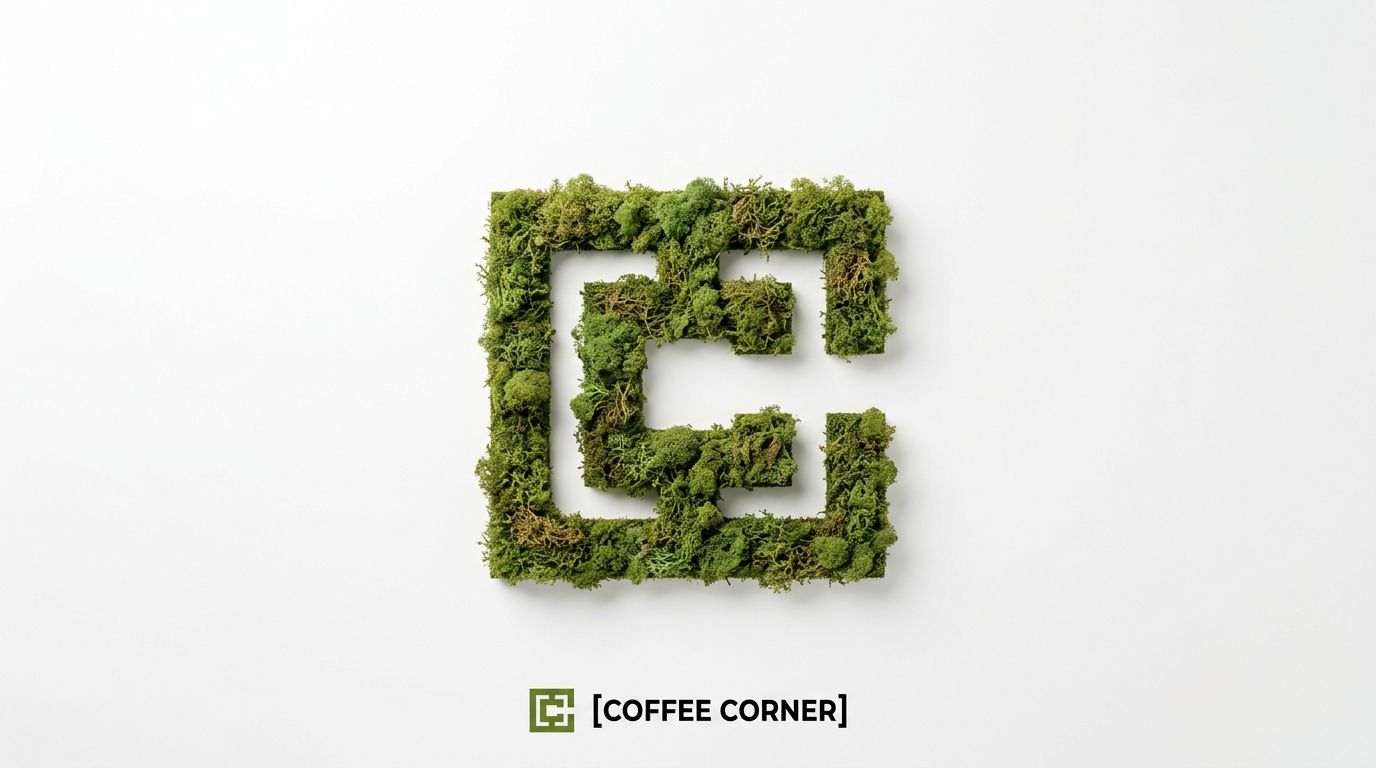
- Minimal symbol logo: A clean vector-style logo mark for [brand name], combining [core object] and [brand attribute], simple geometric silhouette, strong negative space, one-color black on white, balanced proportions, no words, no mockup, no gradients.
- Mascot icon logo: Friendly mascot logo icon for [brand category], [character or object] with [personality trait], bold readable silhouette, limited two-color palette, centered on plain background, app-icon safe, no text, no watermark.
- Luxury monogram direction: Premium monogram concept using the initials [letters], elegant spacing, custom interlocking letterform feel, minimal line weight, black and warm metallic accent, white background, no extra words.
- Organic handmade logo mark: Boutique logo symbol for [brand], inspired by [natural material or craft], soft imperfect edges, simple emblem shape, earthy palette, scalable icon design, no typography, no complex illustration.
Two real prompt-library cases you can reuse
A strong blog post here should not stop at abstract formulas. These two Vogue AI prompt-library cases show the real image, the real prompt structure, and the part you should borrow when you adapt the prompt for your own job.
Case 1: product-shot structure with material and background control
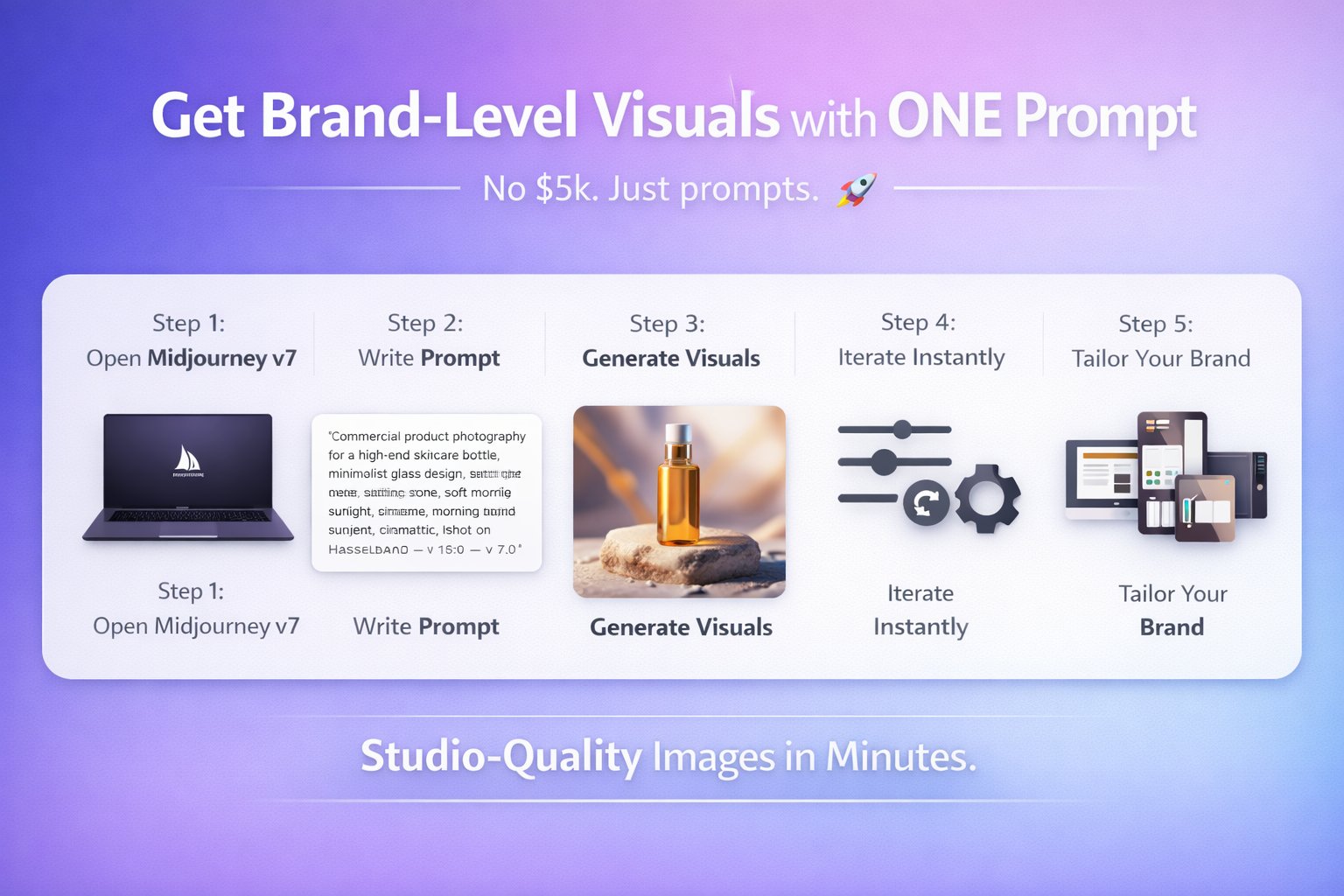
Borrow the structure here, not the food subject itself. The important part is the controlled hero framing, the material language, the clean studio backdrop, and the instruction that removes text noise from the final image.
- Prompt: A premium street-food product photograph of crispy fried momos arranged in a black serving tray, centered against a warm White seamless studio background. The momos have a deep golden crispy texture with realistic oil shine and crunchy folds. Fresh green herbs and a vivid red dipping sauce add contrast. Soft studio lighting, premium food-commercial realism, clean composition, 4:5 framing, no text, no watermark.
Case 2: reference-led portrait structure for identity protection
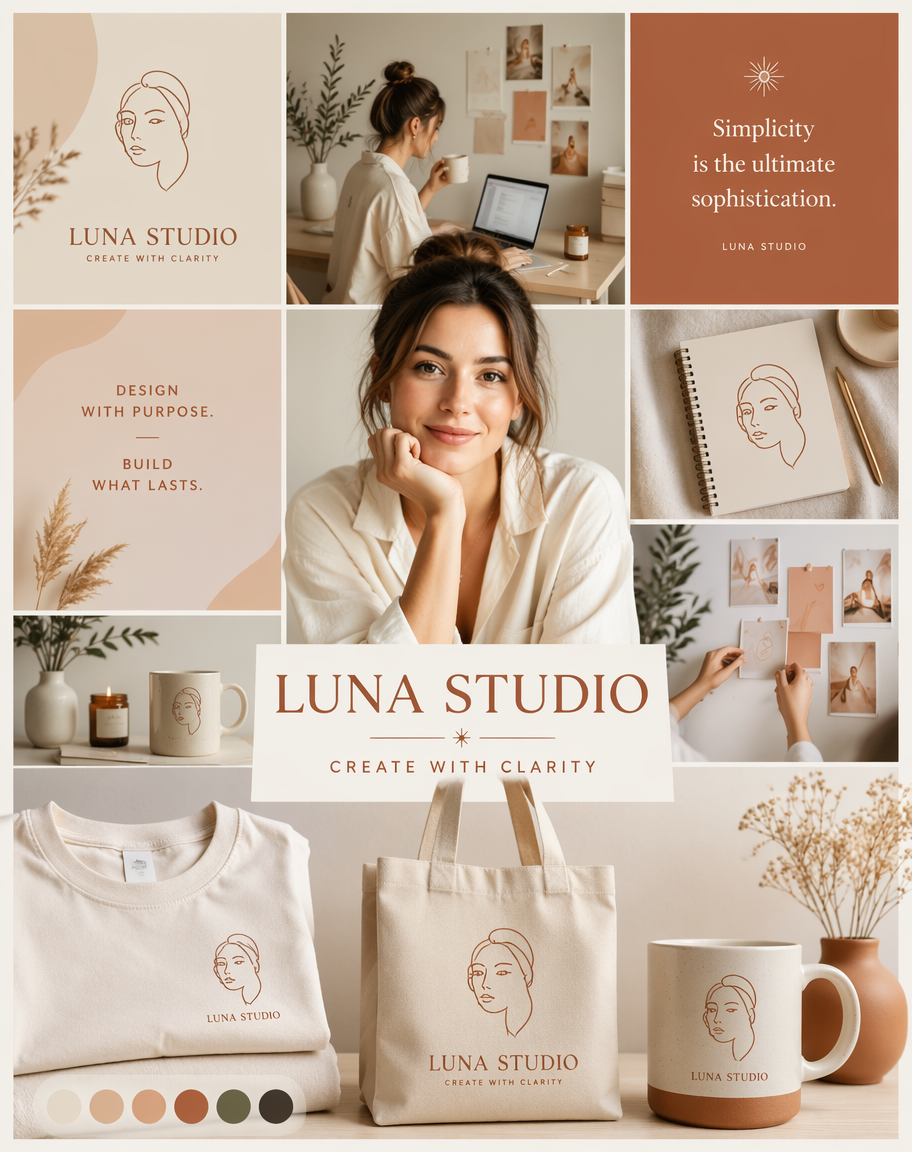
This is the pattern to copy when the real job depends on a person remaining recognizable. The key move is explicit reference handoff: identity stays fixed, while clothing, camera mood, and campaign styling are allowed to move.
- Prompt: Use my uploaded image as the face reference. Create a bold monochrome streetwear editorial poster featuring the uploaded person in oversized urban fashion, relaxed stance, hands in pockets, layered baggy clothing, sneakers, and confident rebellious attitude. Preserve face identity while changing styling, lighting, and composition. High contrast lighting, poster-scale framing, dramatic shadows, clean negative space, no extra text.
Worked example: from launch brief to first prompt
Raw brief
You need a launch visual for a new matte aluminum water bottle. The image should work in a product-drop post and on a product-detail page. The bottle silhouette and cap color must stay stable, and the frame needs room for a future headline.
Prompt version 1
- Premium launch visual for a matte aluminum water bottle, centered hero composition on a deep graphite stage, crisp brushed-metal texture, cool rim light, subtle shadow, premium ecommerce realism, 4:5 aspect ratio, clear negative space above the bottle for headline, no text, no watermark.
First revision after generation
If the material looks right but the cap color changes, do not rewrite the full prompt. Add a reference image and state that the reference controls bottle silhouette, lid color, and logo placement. If the identity is correct but the launch energy feels flat, keep the subject and crop stable, then adjust lighting and palette.
Before you add more adjectives
Most weak logo prompt templates fail because the important controls are missing, not because the wording is not fancy enough. Add precision before you add poetry.
- If the frame is messy, add crop, angle, and negative-space rules.
- If the subject drifts, tighten the subject sentence or attach a reference image.
- If the image feels generic, add audience, channel, and brand palette.
- If text generation keeps breaking, remove text from the prompt and reserve a clean area for later design.
Model fit inside Vogue AI
Inside Vogue AI, the prompt should stay stable while the model choice follows the failure risk. Pick the model for control, speed, or style exploration, not just because it is trending.
- Use GPT Image 2 when instruction following, object control, and scene revision matter most.
- Use Nano Banana when you want quick visual variations, lightweight exploration, or a fast image-to-image pass.
- Use Midjourney when the job is mood-heavy, editorial, fashion-led, or more about stylized exploration than strict fidelity.
- Keep the same prompt skeleton across models so you learn which model changes the result, not which wording changed it.
What to change after the first generation
Compare the first generation against the real job. The fastest way to improve a prompt is to name the largest production failure and fix only that layer first.
| Problem | Fix first | Avoid |
|---|---|---|
| Wrong product, face, or screen identity | Strengthen the subject sentence or add a reference image with an explicit control rule. | Adding more mood adjectives before identity is fixed. |
| Weak composition | Change crop, camera distance, angle, or negative space. | Switching models before the frame is corrected. |
| Generic style | Add audience, brand palette, material cues, and channel context. | Rewriting the entire prompt from scratch. |
| Broken text or logos | Remove text generation and leave a clean area for later typography. | Trusting the model to spell final marketing copy perfectly. |
| Good result starts drifting | Duplicate the best prompt version and replace only variable fields. | Continuing to stack edits onto the same unstable prompt. |
- Identity issue: fix subject boundary or reference handoff first.
- Layout issue: fix ratio, crop, or empty space next.
- Style issue: fix palette, lighting, or audience after the frame is stable.
- Production issue: remove text, legal claims, or tiny UI details that should be added later in design tools.
FAQ
What makes a good logo prompt templates prompt?
A good logo prompt templates prompt names the subject, composition, style, output rule, and review check clearly enough that the first generation can be judged against the real brief.
Should I use long descriptive prompts every time?
Not automatically. Use enough detail to control subject, frame, and output. Extra decorative language is useful only after the prompt already protects the production goal.
When should I add a reference image?
Add one when identity matters: product shape, package details, face, logo position, palette, or UI hierarchy. If the job is pure exploration, text-only prompts are often faster.
Which model should I try first in Vogue AI?
Start with the model that matches the failure risk. GPT Image 2 is better for instruction control, Nano Banana is better for quick variation, and Midjourney is better for stylized exploration.
Why do my logo prompt templates keep producing generic images?
Usually because the prompt is missing audience, channel, palette, or composition rules. Generic outputs often come from vague briefs, not from insufficient word count.
How do I make prompt improvements reusable?
Save the prompt version that fixed the main job, label its variable fields clearly, and duplicate that version for the next campaign, portrait, product shot, or UI concept.