Good Midjourney prompt examples are useful only when you can see why they work. Instead of collecting random beautiful phrases, build prompts from subject, scene, style reference, camera language, parameters, and one clear revision rule.
TL;DR: copy the pattern, then change one control
- Use a prompt skeleton: subject, setting, style, composition, lighting, constraints, and parameters.
- Keep Midjourney prompts visually specific, but avoid stuffing every style word into one line.
- Use image or style references when mood and visual language matter more than exact product accuracy.
- Add --ar early because aspect ratio changes composition more than most adjectives.
- After the first result, fix the biggest failure only: subject, crop, style drift, or detail clutter.
What Midjourney examples should teach
Midjourney rewards concrete visual direction. Its own prompting guidance groups useful modifiers into mediums, eras, emotions, colors, and environments, which is a practical reminder that style words should do a job instead of sounding decorative.
Prompt formula for Midjourney
| Part | What to write | Why it matters |
|---|---|---|
| Subject | The person, product, object, place, or scene. | Locks the main image before style language takes over. |
| Scene | Environment, era, weather, surface, props, and background. | Makes the image feel intentional instead of generic. |
| Style reference | Medium, fashion era, film stock, art direction, or --sref when available. | Controls visual language without rewriting the subject. |
| Camera and composition | Shot size, lens feel, crop, negative space, symmetry, or motion. | Prevents attractive but unusable framing. |
| Parameters | --ar, --stylize, --style raw, or version-specific controls. | Turns a prompt into a repeatable setup. |
| Negative constraints | No readable text, no watermark, no extra objects, clean silhouette. | Reduces predictable production problems. |
Scenario matrix
| Use case | Prompt pattern | Reference need | First failure to check |
|---|---|---|---|
| Editorial portrait | Subject, wardrobe, mood, lens, background, skin texture. | Use a reference when identity or styling continuity matters. | Face drift, extra hands, over-smoothed skin, or weak expression. |
| Product campaign | Object, surface, lighting, material, luxury or ecommerce context. | Use a reference for shape, packaging, or logo placement. | Wrong silhouette, fake text, distorted label, or cluttered props. |
| Architecture concept | Building type, material, landscape, time of day, camera distance. | Optional unless matching an existing design language. | Impressive scene that ignores human scale or material logic. |
| Style exploration | Clear subject plus one style system, not ten competing movements. | Use --sref or image reference for consistent art direction. | Style overwhelms the subject or becomes too literal. |
Copyable Midjourney prompt examples
Copy these prompts as starting points, then replace only the subject, setting, and parameter choices that belong to your job. Keep the prompts in English for direct use.
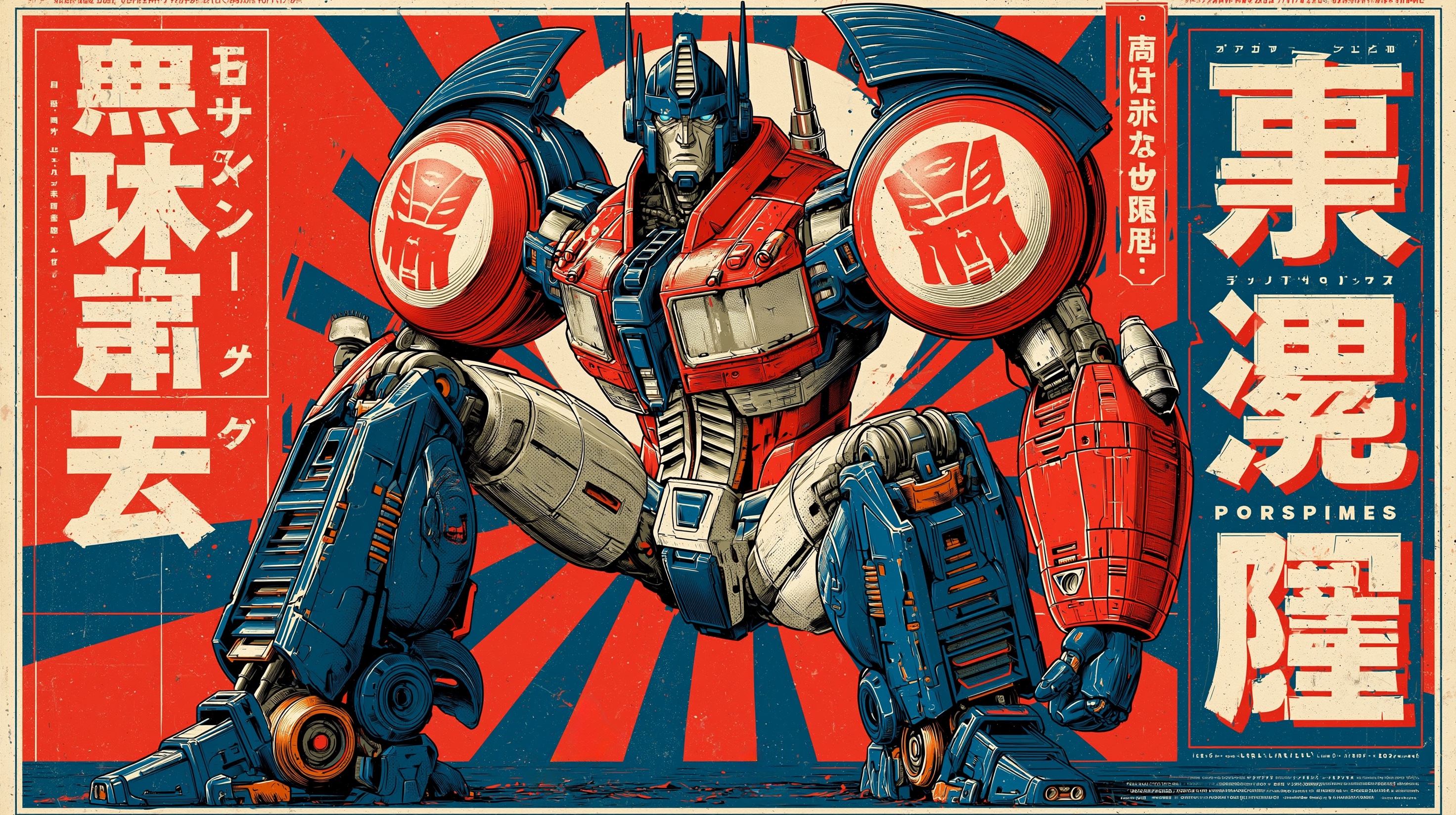
- Editorial portrait: solitary [subject] in a quiet concrete studio, oversized charcoal coat, soft window light, restrained expression, negative space, cinematic editorial photography, natural skin texture --ar 4:5 --style raw
- Product mood image: matte black [product] on wet volcanic stone, low side light, fine mist, premium luxury campaign, sharp silhouette, no readable text, no logo distortion --ar 3:4 --stylize 150
- Architecture concept: compact [building type], charred timber, glass wall facing foggy pine forest, dawn atmosphere, human-scale path, architectural visualization, natural materials --ar 16:9 --style raw
- Fashion poster: [wardrobe subject] crossing a neon subway platform, motion blur in background only, crisp face, reflective fabric, magazine cover composition, leave clean top space for typography --ar 9:16
- Surreal still life: porcelain [object] holding blue poppies, mirrored table, pale green room, Dutch still-life lighting, elegant absurdity, refined color palette --ar 1:1 --stylize 300
Worked example: one editorial image, three revisions
Raw request
You need a moody editorial image for a fashion story about isolation in a studio. The subject should feel quiet and premium, with enough negative space for a headline crop.
Prompt version 1
- Solitary fashion model seated in a large concrete studio, oversized charcoal coat, quiet emotional expression, soft window light, minimal set, premium magazine editorial photography, natural skin texture, negative space on left side --ar 4:5 --style raw
Revision rule
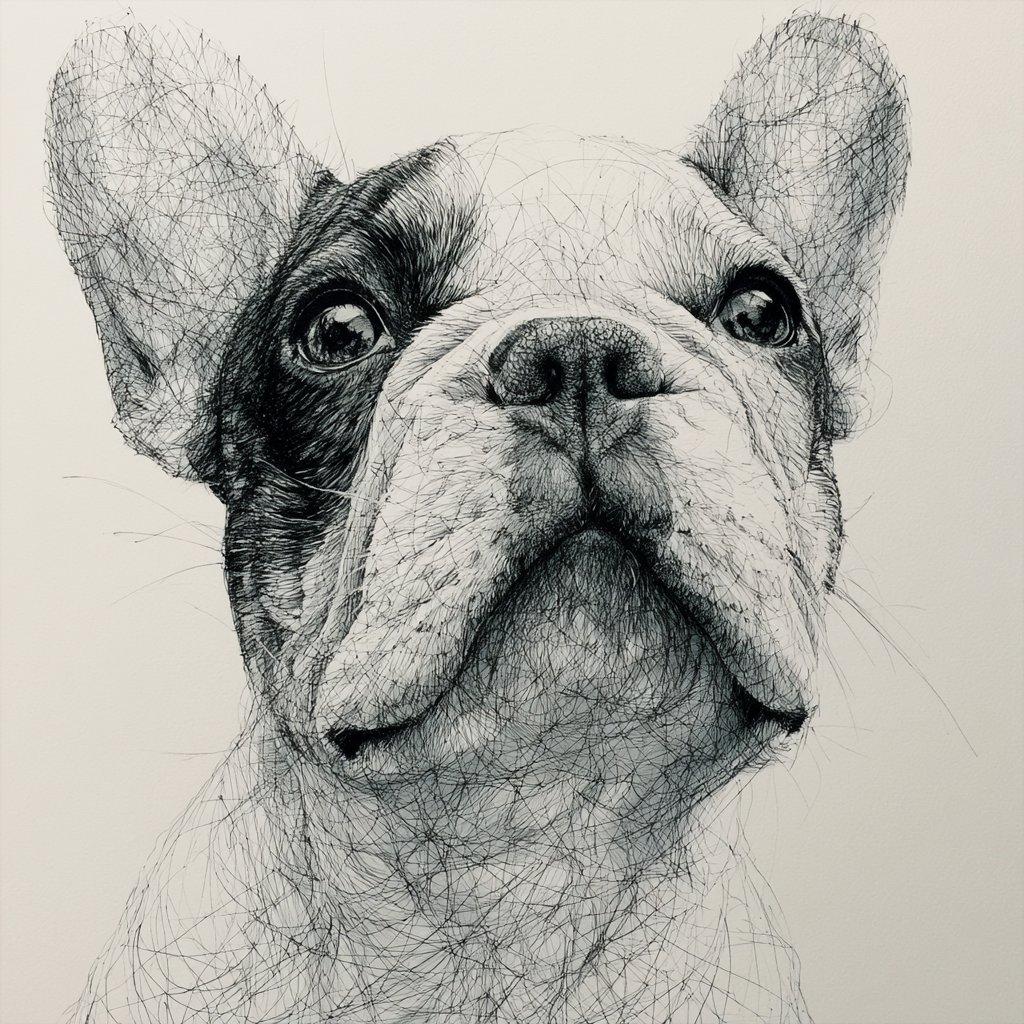
If the image is stylish but too busy, remove props before changing the model. If the pose is wrong, revise the subject sentence. If the mood is right but the crop is weak, change --ar or add a negative-space rule.
Parameter notes that matter
- Use --ar for channel fit: 1:1 for square tests, 4:5 for feed images, 9:16 for vertical posters, and 16:9 for scenes.
- Use --style raw when you want less default beautification and more prompt-driven control.
- Use --stylize deliberately: lower values usually keep the brief tighter; higher values can push mood and art direction.
- Use style references for visual language, but still write the subject and composition clearly.
Use Vogue AI as the prompt handoff layer
In Vogue AI, treat Midjourney examples as mood and composition references inside a broader prompt workflow. Browse a matching Midjourney-family example, copy the useful structure, then test adjacent models when the job requires stronger instruction following, faster variations, or reference-image editing.
Mistakes and fixes
| Mistake | Fix | Why |
|---|---|---|
| Too many style names | Choose one visual system and one camera direction. | Competing styles create unpredictable blends. |
| No aspect ratio | Set --ar before judging composition. | The same prompt can fail simply because the frame is wrong. |
| Exact text requested in-image | Reserve blank space and add typography later. | Generated lettering is not a reliable final design layer. |
| Reference not explained | Say what the reference controls: mood, palette, face, product shape, or layout. | A reference without a role can pull the wrong details. |
| Endless rewrites | Change one control, save the useful version, then duplicate it. | Repeatable workflows beat lucky one-off prompts. |
FAQ
Can I copy these Midjourney prompt examples directly?
Yes. Replace the bracketed job details or subject words, keep the structure stable, and run the first result as a diagnostic draft.
What is the best Midjourney prompt template?
The most reusable template is subject, scene, style, composition, lighting, constraints, and parameters. It is plain, but it makes revisions easier.
Should I use realistic photo prompts or stylized prompts?
Use realistic photo prompts for product, portrait, and campaign drafts that need believable material and lighting. Use stylized prompts for mood boards, art direction, posters, and concept exploration.
How do I use references with Midjourney prompts?
Give the reference a role. Say whether it controls style, color, layout, face identity, product shape, or general mood, then keep the written prompt focused.
Why do my Midjourney prompts become cluttered?
Most clutter comes from too many subjects, props, style terms, or missing composition rules. Reduce the scene, add negative space, and set the aspect ratio.
Can Vogue AI help with Midjourney-style prompting?
Yes. Vogue AI can work as a prompt library and workspace layer where you compare Midjourney-family examples with other image models and keep reusable prompt structures.