A good prompt studio ghibli workflow should not depend on typing a studio name and hoping the model guesses the rest. The safer, more controllable path is to describe the visible ingredients people usually mean: hand-painted backgrounds, soft light, pastoral spaces, expressive original characters, rounded shapes, and quiet everyday magic.
TL;DR: describe the ingredients, not only the reference name
- Use "warm hand-painted animation" or "watercolor fantasy film still" as the style anchor.
- Build the image from subject, setting, light, palette, texture, and output rule.
- Keep characters original; do not ask for named characters, exact film scenes, or studio logos.
- Add reference images only for identity, pose, product shape, or color palette, then say what the reference controls.
- In Vogue AI, test GPT Image 2 for instruction control, Nano Banana for quick image-to-image variations, and Midjourney for mood exploration.
Image plan for this guide
| Role | Section | First-party source | Why it matches |
|---|---|---|---|
| Hero | Article cover | GPT Image 2 prompt-library poster | It is the clearest first-party match for the broad hand-painted animation intent. |
| Prompt case | Pastoral town prompt | Midjourney elemental lifestyle prompt-library image | It shows how a stylized prompt can carry atmosphere through setting, light, and materials. |
| Reference case | Portrait prompt | Nano Banana portrait prompt-library image | It supports the identity-preserving variation workflow without repeating the hero. |
Who this prompt guide is for
This guide is for creators who want the warm animated look for posters, portraits, cozy product scenes, thumbnails, or concept art, but still need prompts they can edit. It is not for copying protected characters, recreating exact frames, or claiming official studio output.
- Good fit: original characters, rural scenes, cozy interiors, soft product storytelling, and gentle fantasy landscapes.
- Poor fit: exact movie still recreation, named characters, logo use, or final legal/commercial claims inside the generated image.
- Best first result: an editable visual direction with a clear subject and mood, not a final asset that needs no review.
Prompt anatomy
| Part | What to write | Why it matters |
|---|---|---|
| Subject | The original character, product, animal, vehicle, room, or landscape. | The model needs a clear anchor before style words can help. |
| Setting | Rural town, hillside path, sunlit kitchen, rainy street, floating garden, or workshop. | The look depends heavily on lived-in place and background detail. |
| Light | Soft afternoon light, warm window light, overcast glow, sunset rim light, or misty morning. | Lighting creates the gentle mood users expect from the query. |
| Palette | Sage green, cream, ochre, sky blue, warm wood, muted coral, and dusty yellow. | A palette gives control without relying on a brand name. |
| Texture | Watercolor wash, hand-painted background, visible brush texture, soft edges, light grain. | Texture separates the result from glossy generic anime. |
| Boundary | Original character design, no text, no logo, no exact film scene, no named characters. | The boundary keeps the prompt safer and easier to reuse. |
Copyable prompt blocks
Copy one block, replace the bracketed variables, and keep the prompt in English for the generation step. The surrounding article can be localized, but prompt blocks stay copyable across Vogue AI locales.
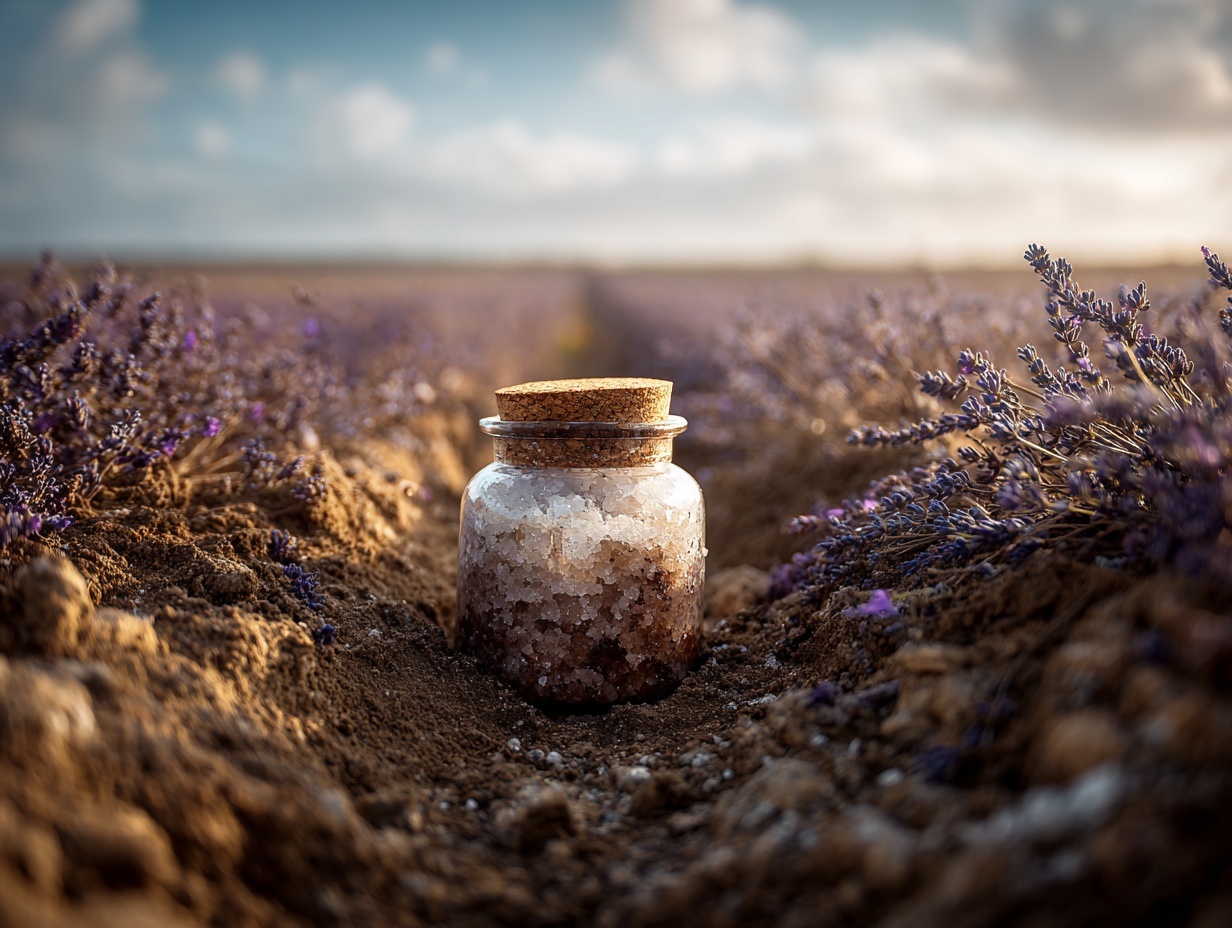
- Warm hand-painted animation scene of [subject] in a quiet rural town, watercolor background, soft afternoon light, wind moving through grass and laundry lines, expressive but original character design, rounded shapes, cozy everyday magic, gentle film-grain texture, 4:5 aspect ratio, no text, no logos.
- Pastoral fantasy landscape with [main object] beside a small hillside path, layered trees, painted clouds, warm green and ochre palette, lived-in details, soft atmospheric perspective, whimsical but not branded, original animation concept art, 16:9 aspect ratio.
- Cozy interior scene of [character or product] in a sunlit workshop, hand-painted wood textures, plants near the window, warm dust motes, gentle clutter, cinematic framing, soft edges, expressive mood, no text, no watermark.
- Reference-led portrait: use the uploaded photo only for face identity and pose. Reimagine the clothing, background, and lighting as a warm hand-painted animated portrait with watercolor texture, soft rim light, original character styling, calm hopeful mood, 3:4 crop.
Scenario matrix
| Scenario | Prompt focus | Use a reference when | First failure to fix |
|---|---|---|---|
| Pastoral poster | Landscape, path, sky, tiny human scale, and warm color palette. | You need the same product, mascot, or place to remain recognizable. | Background feels empty or too glossy. |
| Original character | Expression, silhouette, clothing texture, pose, and emotional tone. | Face identity or pose continuity matters. | Character looks like a known franchise figure. |
| Cozy product scene | Object shape, room detail, window light, wood texture, and gentle clutter. | Product silhouette, package, or color must stay stable. | Product deforms or the room overwhelms the subject. |
| Portrait variation | Face identity, soft animated texture, wardrobe, and background mood. | The uploaded face must remain recognizable. | Face changes, skin becomes plastic, or style becomes too sharp. |
Worked example: from raw request to controlled prompt
Raw request
You need a cozy launch image for a handmade tea tin. The tin must stay recognizable, but the scene can become a warm animated kitchen with plants, wood shelves, and afternoon light.
Prompt version 1
- Cozy hand-painted animation scene of a handmade tea tin on a sunlit wooden kitchen shelf, plants near the window, warm afternoon light, watercolor background, visible brush texture, sage green and cream palette, gentle everyday magic, product centered and readable, 4:5 aspect ratio, no text, no logo distortion, no watermark.
First-result diagnosis
If the room feels right but the tin changes shape, add the product image as a reference and say it controls silhouette, lid color, and front label placement. If the tin is correct but the scene is generic, tighten the setting, palette, and texture instead of adding more style names.
Mistake and fix table
| Failure | Fix first | Do not start with |
|---|---|---|
| The image copies a known character or scene | Replace with original character traits, setting, and emotion. | More franchise or studio references. |
| The result looks like generic glossy anime | Add watercolor background, soft edges, muted palette, and hand-painted texture. | Only increasing quality words. |
| The product or face changes | Attach a reference and define exactly what it controls. | A full prompt rewrite. |
| The composition is cluttered | Set crop, subject size, negative space, and background density. | Switching models before fixing layout. |
| Generated text appears in the image | Ask for no text and reserve empty space for typography later. | Trying to force perfect lettering. |
Use the pattern in Vogue AI
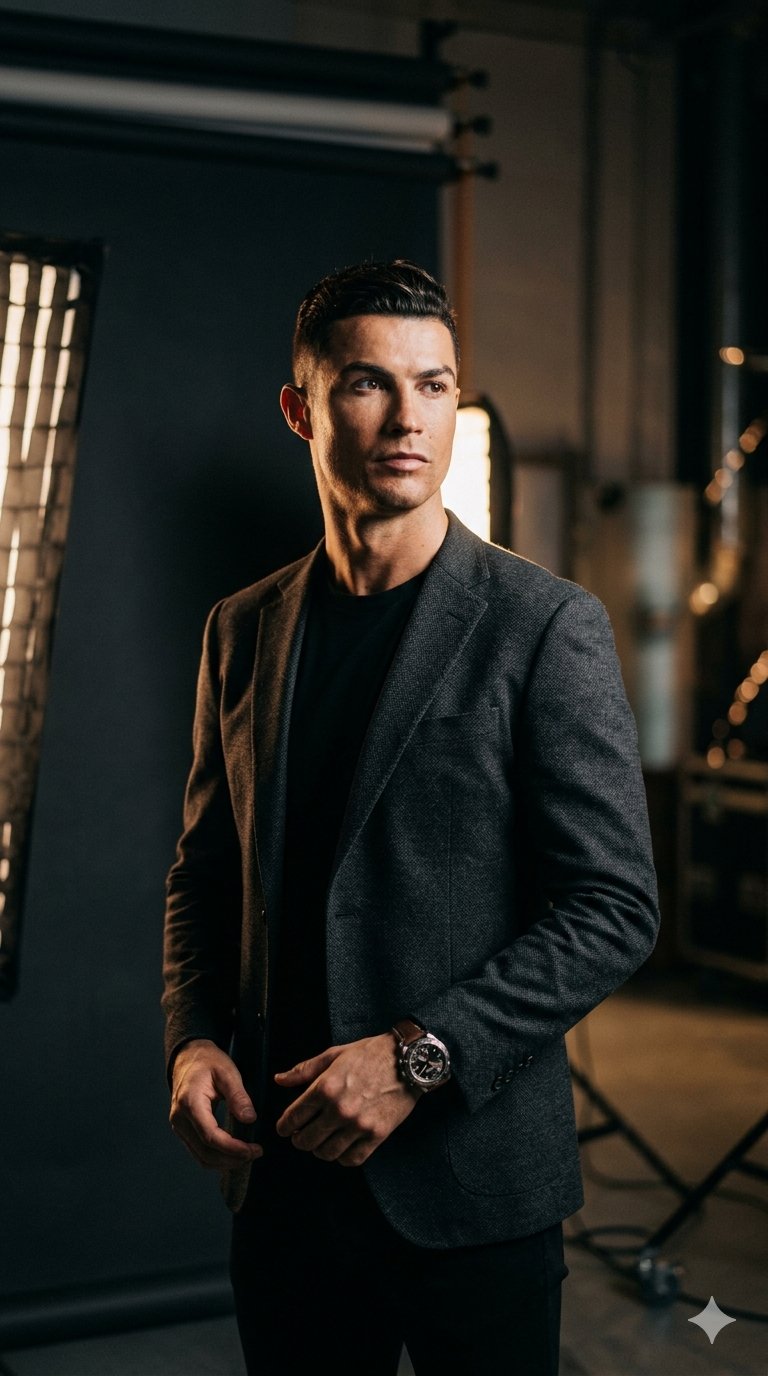
In Vogue AI, start with the model family that matches the risk. Use GPT Image 2 when the prompt has many constraints, Nano Banana when you want fast reference-led variations, and Midjourney when the main job is mood, framing, and concept exploration.
- Paste the English prompt block into the workspace and generate one controlled first pass.
- If identity matters, upload the reference image and state whether it controls face, pose, product shape, or palette.
- Keep the same prompt skeleton when switching models so you can compare behavior fairly.
- Save the version that solved the job with a plain label such as warm-painted-product-scene-reference-shape.
FAQ
What is a safe prompt studio ghibli alternative?
Describe the visual ingredients: warm hand-painted animation, watercolor backgrounds, pastoral settings, soft light, original characters, muted palettes, and cozy everyday magic.
Can I use the phrase Studio Ghibli in a prompt?
Many users do, but a more reusable production prompt should not depend on the name alone. Ingredient-based wording gives better control and avoids asking for exact protected characters or scenes.
Which Vogue AI model should I start with?
Start with GPT Image 2 for instruction-heavy prompts, Nano Banana for quick reference-led variations, and Midjourney for stylized mood exploration.
Should prompt blocks stay in English?
Yes. Keep the generation prompt in English so it remains easy to copy across locales, then localize the explanation, checklist, and FAQ around it.
How do I avoid copying a famous character?
Write original character traits: age range, clothing, pose, expression, role, and emotion. Avoid names, exact costumes, exact creature designs, and movie-specific scenes.
What should I fix after the first result?
Fix the largest failure first. Use reference handoff for identity, crop rules for layout, palette for mood, and texture words when the image looks too glossy.