The best Midjourney prompts ideas start from a reusable visual system: subject, style reference, composition, material, lighting, and aspect ratio. Use the ideas below as modular recipes, then adapt them inside Vogue AI when you want to compare Midjourney-style exploration with GPT Image 2 or Nano Banana workflows.
TL;DR: use ideas as prompt systems, not random phrases
- Pick the job first: portrait, product scene, poster, still life, character, interior, or fashion concept.
- Lock one visual driver: style reference, material contrast, camera framing, lighting, or world-building detail.
- Keep the first prompt short enough to diagnose. Add complexity only after the subject and composition work.
- Use Midjourney for mood and style discovery, then move the strongest direction into Vogue AI when you need reference-image edits or cross-model variants.
- Save each successful idea as a named formula so the next image changes variables instead of starting from zero.
First-party image plan
| Role | Image | Why it belongs here |
|---|---|---|
| Hero | Midjourney style-reference portrait example | It previews the article promise: style exploration with a controlled subject and editorial mood. |
| Style case | Second Midjourney style-reference image | It supports the section on turning style codes into reusable mood systems. |
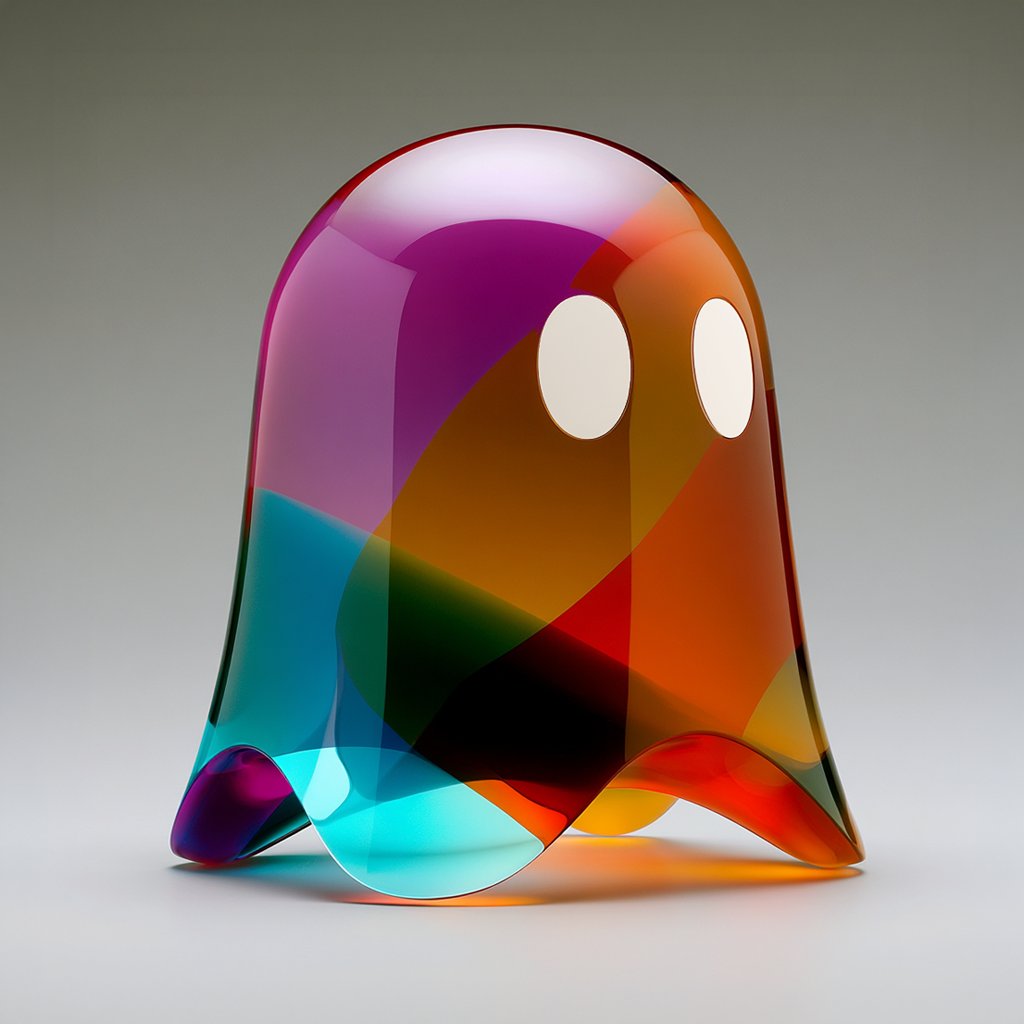
| Material case | Glass-and-paper Midjourney example | It grounds the material-contrast prompt pattern instead of using a generic decorative image. |
A practical formula for Midjourney prompt ideas
Use this order when you are inventing ideas: subject, visual job, composition, style driver, material or texture, lighting, output rule, and Midjourney parameter. This keeps the idea creative without becoming impossible to revise.
| Prompt part | What to decide | Example control |
|---|---|---|
| Subject | The person, object, place, or scene the image is actually about. | handmade ceramic headphones, alpine train station, silver perfume bottle |
| Visual job | What the image should do for the viewer. | fashion editorial, product launch hero, cinematic poster, concept sheet |
| Composition | Crop, angle, focal point, negative space, and depth. | low-angle hero frame, centered still life, layered foreground and background |
| Style driver | Reference style, art direction, era, genre, or mood. | quiet luxury campaign, retrofuturist travel print, gallery installation |
| Material and light | Surface detail and the lighting that reveals it. | frosted glass, paper grain, rim light, softbox, sunrise haze |
| Output rule | Aspect ratio, text policy, and what to avoid. | --ar 4:5, no text, no watermark, clean background |
Scenario matrix for fast idea selection
| Creative goal | Prompt pattern | Best first variable | Common failure |
|---|---|---|---|
| Editorial portrait | Subject plus wardrobe silhouette, face detail, studio mood, and lens language. | Wardrobe and lighting | Beautiful styling but weak identity or overworked skin. |
| Product concept | Object plus material contrast, stage design, shadow, and commercial crop. | Material and background | Object shape drifts because style overwhelms the product. |
| Poster idea | Scene plus focal hierarchy, empty headline area, palette, and cinematic depth. | Composition and aspect ratio | Generated text, clutter, or no room for design typography. |
| World-building scene | Place plus era, weather, architecture, crowd density, and atmosphere. | Era and lighting | Too many details competing for the focal point. |
| Character sheet | Character role plus silhouette, costume materials, pose, and accessory logic. | Silhouette and color palette | Inconsistent outfit details across views. |
Copyable Midjourney prompt ideas
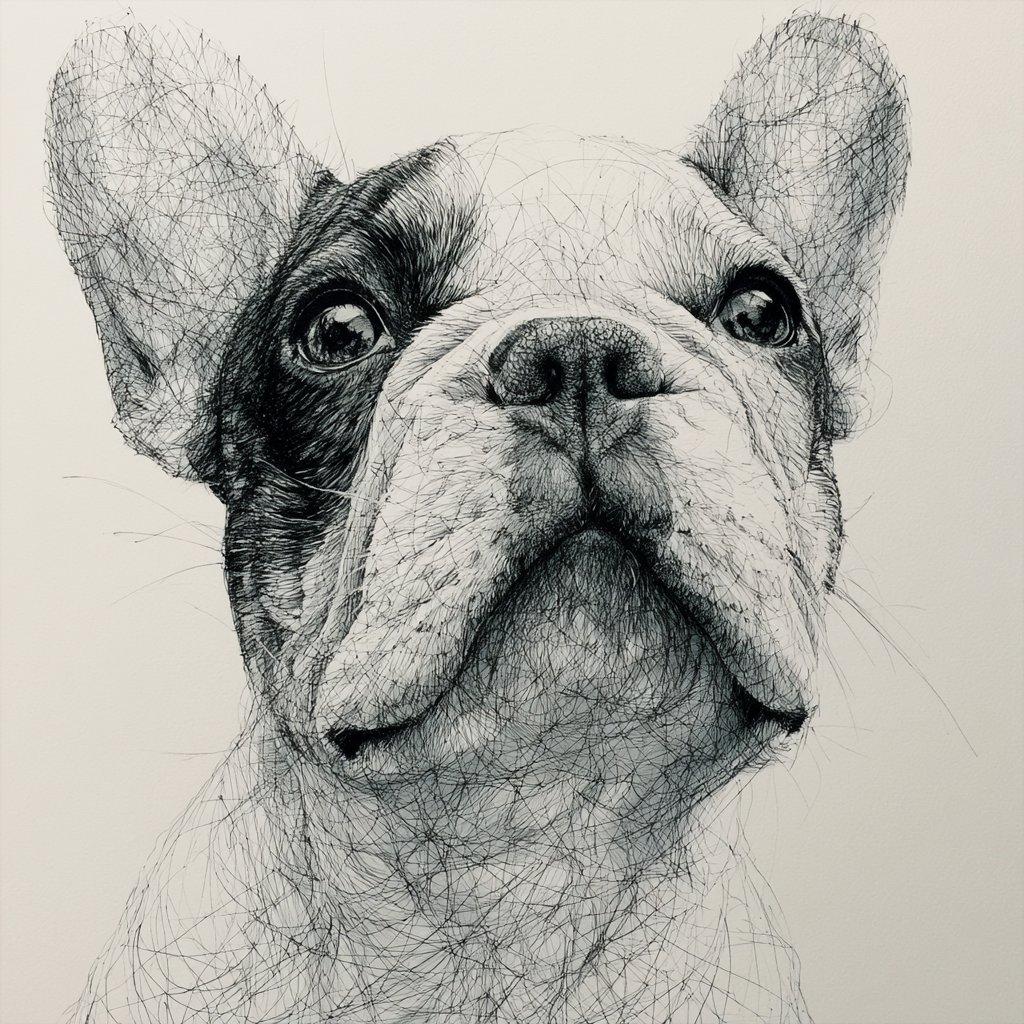
- Fashion editorial portrait of [subject], asymmetric couture silhouette, controlled studio backdrop, soft key light, precise face detail, muted luxury palette, shallow depth of field, Midjourney-style editorial mood, --ar 3:4
- Architectural product scene for [object], glass and paper material contrast, clean negative space, museum-display composition, diffused daylight, tactile surface detail, refined minimal set design, --ar 4:5
- Cinematic travel poster for [place], heroic foreground subject, layered atmospheric depth, sunrise rim light, restrained retro color grading, poster-ready composition with empty headline zone, --ar 2:3
- Surreal still life of [object group], impossible scale relationship, polished reflective surface, high-fashion art direction, controlled shadows, elegant gallery framing, no text, --ar 1:1
- Character concept sheet for [character], three-quarter pose, fabric and accessory callouts, coherent color palette, expressive silhouette, clean background, production art detail, --ar 16:9
Worked example: from loose idea to reusable prompt
Loose idea
You want an image for a concept board: a premium skincare bottle photographed like a quiet futuristic fashion campaign. The result should feel art-directed, but the bottle must remain the focal point.
Prompt version 1
- Premium skincare bottle on a translucent glass plinth, quiet futuristic fashion campaign, centered product hero composition, frosted glass and soft paper material contrast, pale silver and warm white palette, diffused studio light, elegant shadow, clean negative space, no text, no watermark, --ar 4:5
Diagnosis rule
If the first result has a strong mood but a weak bottle shape, move the idea into Vogue AI with a product reference image and tell the model what the reference must preserve. If the bottle is correct but the image is flat, keep the subject stable and revise only lighting, plinth material, or palette.
Mistakes and fixes
| Problem | Fix first | Avoid |
|---|---|---|
| The image looks generic | Add a visual job, era, material contrast, and audience context. | Stacking more adjectives without changing the brief. |
| The subject changes too much | Reduce style pressure or use a reference image in Vogue AI. | Treating style reference as the only control. |
| The layout is unusable | Specify crop, focal point, and negative space before rerolling. | Asking for final typography inside the image. |
| The idea cannot be repeated | Save the formula and replace only bracketed variables. | Editing every clause after each generation. |
| The style drifts across a series | Use one style driver and one palette rule for the whole set. | Mixing multiple unrelated art movements in one prompt. |
How to use these ideas in Vogue AI
Vogue AI is useful after the idea stage because you can keep the creative direction while testing model fit. Use Midjourney-style prompts for discovery, GPT Image 2 for instruction-heavy edits, and Nano Banana when you want quick variations from a reference or social concept.
Pre-generation checklist
- Name the image job in one phrase before writing style language.
- Choose one primary style driver and one backup control such as material, lens, or lighting.
- Set aspect ratio and text policy before the first generation.
- Decide whether the idea needs a reference image before moving it into Vogue AI.
- Save the strongest formula with a clear label after the first useful result.
FAQ
What are good Midjourney prompts ideas for beginners?
Start with product heroes, editorial portraits, posters, interiors, and still life prompts because each has a clear subject and composition. Avoid huge fantasy scenes until you can diagnose crop, focal point, and lighting.
Should every idea include style references?
No. Style references help mood exploration, but material, lighting, camera angle, and aspect ratio often control the image more reliably for production use.
Can I use these prompts outside Midjourney?
Yes. Keep the plain-language structure, then remove Midjourney-only parameters when you test the idea in another Vogue AI model workflow.
How many ideas should I test at once?
Test three to five formulas for a new creative direction. More than that usually hides the reason one image worked better than another.
Why do my prompts make pretty but unusable images?
The prompt probably describes mood better than job constraints. Add crop, subject priority, text policy, reference handoff, and the channel where the image will be used.
When should I switch from Midjourney to Vogue AI editing?
Switch when you have a promising style direction but need reference control, product identity, model comparison, or structured revisions instead of more mood exploration.